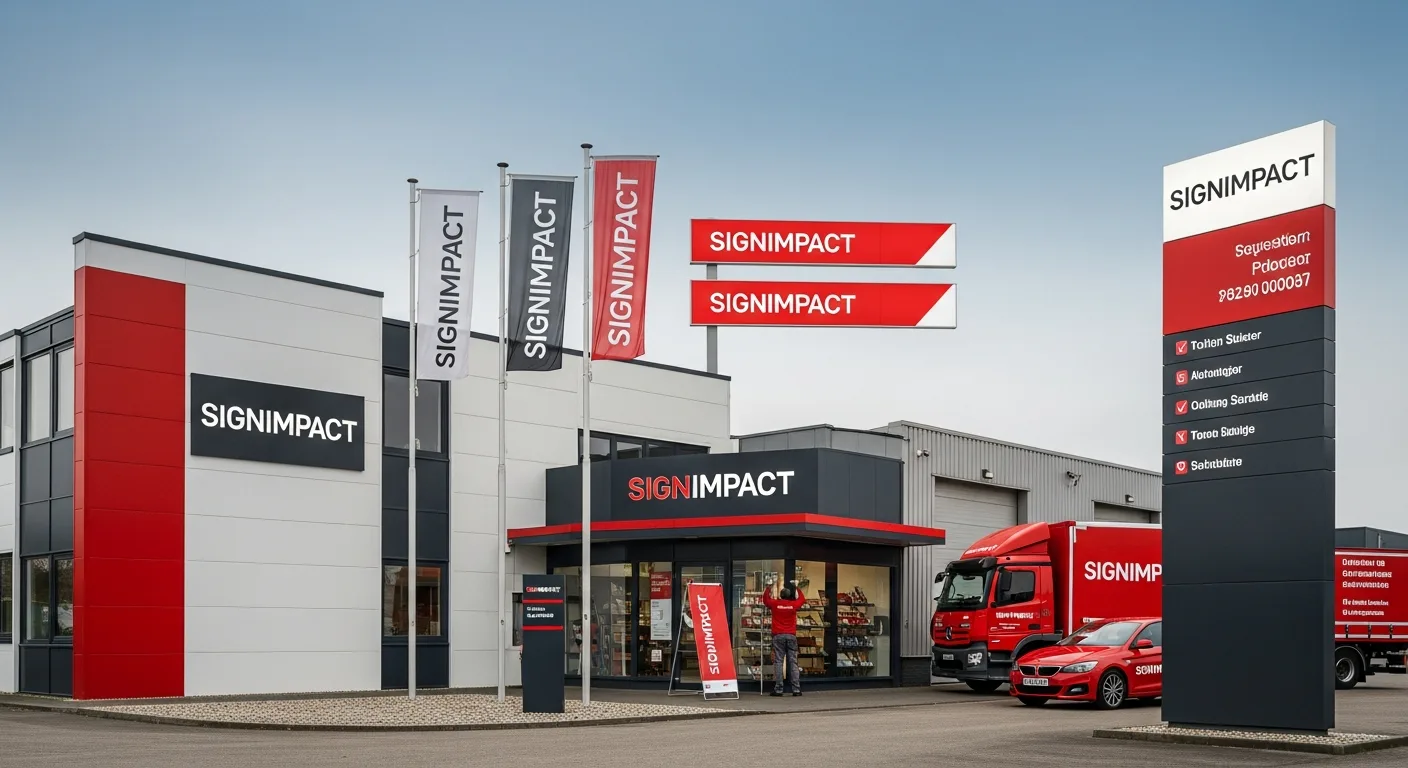
Choosing the right partner for custom business signs and commercial signage solutions can transform how customers find, understand, and trust your brand. If you are researching a sign company Toronto, this ultimate guide brings together the core knowledge you need to make confident decisions about signage strategy, design, materials, permits, fabrication, installation, and maintenance.
Built on the practical experience of a full-service sign company Toronto, it distills best practices and proven frameworks to help you plan, budget, and measure results. Whether you are refreshing storefront signage, rolling out brand standards across multiple locations, or launching a flagship space, you will find detailed insights on outdoor signs, illuminated signs, interior signs, window graphics, wall decals, and vehicle wraps. Use this guide to compare options, avoid common pitfalls, and coordinate an efficient, code-compliant project from concept to completion.
Quick Summary
This comprehensive guide explains how to plan and purchase custom sign company Tronto that perform in the real world. You will learn the differences between sign types and materials, how permits work, what drives price, and how to ensure your signage aligns with brand, safety, and accessibility requirements.
It also includes industry-focused playbooks for retail, restaurants and cafes, corporate offices, real estate and construction, and healthcare facilities. The comparisons and cost ranges help you set a realistic budget and timeline. Finally, a step-by-step decision framework and a practical FAQ make it easy to move forward with clarity. Contact Signimpact for expert assistance.
What a Modern Sign Company Delivers
A modern sign company Toronto is more than a fabricator. The best partners integrate strategy, creative and technical expertise, compliance, and project management to deliver signage that works day after day. At a high level, you should expect a complete solution that includes discovery and site surveying, brand-aware concepting and design, engineering for safety and durability, permitting guidance, quality-controlled fabrication, professional installation, and lifecycle maintenance.
Outcomes matter. Effective signage should meet four core objectives: visibility, legibility, durability, and brand impact. Visibility guarantees the placement and lighting of your sign at appropriate distances and angles of approach. To ensure quick understanding of information, legibility encompasses typography, color contrast, size, and hierarchy. Durability focuses on materials and build quality that withstand weather, UV exposure, and wear. Brand impact blends recognition, consistency, and the feeling your sign creates for passersby and visitors.
When you evaluate vendors, look for in-house capabilities and a proven process rather than just a menu of products. Full service support reduces project risk, especially on complex installs or illuminated signs that require electrical, structural mounting, or code compliance. A professional sign company Toronto partner also helps you control the total cost of ownership by recommending materials and finishes that reduce maintenance and extend service life.
Types of Custom Business Signs and Commercial Signage
Signage spans a wide spectrum of formats that serve different functions. Below is a practical overview to help you match the format to your goals, environment, and budget.
1) Outdoor Storefront and Building Signs

- Channel letter signs: Individual 3D letters with internal illumination, mounted to raceways or directly to facades. Highly visible and durable.
- Lightbox or cabinet signs: Enclosed faces with translucent graphics, illuminated from within. Strong brand presence and an efficient use of budget.
- Blade or projecting signs: Perpendicular to the building face to catch pedestrians and side approach views on narrow streets.
- Pylon and monument signs: Freestanding structures near roads or entries for multi-tenant plazas, corporate campuses, and standalone sites.
- Custom dimensional letters and logos: Non-illuminated or halo-lit options for refined aesthetics in historic or premium districts.
2) Illuminated Signage

- Front-lit LED channel letters for maximum daytime and nighttime visibility.
- Halo-lit letters for a premium glow and architectural effect that reduces glare.
- Neon-inspired LED or traditional neon for retro style and visual drama.
- Backlit logo boxes and push-through acrylic faces for crisp, bright brand marks.
3) Indoor Signs and Environmental Graphics

- Lobby and reception signs: Dimensional logos in acrylic, metal, or wood for a high-impact first impression.
- Wayfinding and compliance signs: Directories, room IDs, emergency egress, and accessibility signage for safe navigation.
- Window graphics and films: Privacy, branding, and solar control with frosted films, perforated vinyl, and custom graphics.
- Wall decals and murals: Large-format prints for storytelling and ambiance.
4) Vehicle Wraps and Fleet Graphics
- Full wraps, partial wraps, and decals to turn vehicles into mobile billboards.
- Paint protection films and laminate choices to resist UV and abrasion.
- Design systems for consistent multi-vehicle branding.
Each category has specific durability, installation, and maintenance requirements. The right choice depends on traffic patterns, viewing distances, lighting conditions, and architectural constraints. A strategic sign plan often uses a mix of these formats to guide customers from the street to the point of service.
The Signimpact Process: From Strategy to Installation
Sign company Toronto projects run smoother and deliver better results when they follow a documented process. Here is a proven sequence you can expect from a full-service partner.
1. Discovery and Site Survey
Gather brand standards, goals, timelines, and budgets. Inspect the site to capture dimensions, facade materials, power access, mounting conditions, and visibility angles. Photos and measurements inform accurate design and engineering.
2. Concept Design and Proofing
Translate strategy into design options that balance brand impact, readability, and code requirements. Digital mockups and superimposed visuals help stakeholders see how the sign will look in context. Clear proofing avoids rework later.
3. Engineering and Permitting
Structural and electrical considerations are documented for safety and compliance. Permit packages include drawings, materials specifications, and placement diagrams as required by local authorities.
4. Fabrication
High-quality fabrication uses calibrated equipment and vetted materials. LED modules, power supplies, and finishes are selected for performance and serviceability. Quality control checks verify dimensions, illumination, and finish.
5. Installation
Professional installers coordinate lifts, traffic control if needed, and safe electrical connections. Proper sealing and anchoring protect your facade and sign from weather and vibration.
6. Post-Install Verification and Maintenance Plan
Final inspections confirm alignment, brightness, and function. A maintenance plan covers cleaning schedules, warranty, and response times for repairs to reduce downtime and protect your investment.
Industry Playbooks: Practical Applications by Sector
Different industries use signage in distinct ways. Align your choices with the customer journey in your environment.
1) Retail

- Objectives: Maximize storefront visibility, convey promotions, and streamline in-store navigation.
- Solutions: Bold channel letters, window graphics for seasonal campaigns, and wayfinding to departments and checkout.
- Tips: Design for quick comprehension and color contrast. Use illuminated elements to extend hours of effectiveness.
2) Restaurants and Cafes
- Objectives: Street-level attraction, menu clarity, ambiance, and patio identity.
- Solutions: Blade signs for pedestrian traffic, menu boards, window films for privacy, and warm halo-lit logos.
- Tips: Balance legible typography with character. Consider dimmable lighting to match the time of day.
3) Corporate Offices

- Objectives: Professional presence, visitor orientation, and brand storytelling.
- Solutions: Lobby logos in metal or acrylic, directory and wayfinding systems, meeting room IDs, and compliance signs.
- Tips: Choose durable finishes for high-touch areas. Standardize material palettes across floors and locations.
4) Real Estate and construction.
- Objectives: Site visibility, leasing information, safety, and hoarding branding.
- Solutions: Pylon or monument signs, large-format hoarding graphics, site boards, and safety signage with high-contrast layouts.
- Tips: Weather-resistant materials and anti-graffiti laminates reduce maintenance.
5) Healthcare
- Objectives: Stress-free wayfinding, clear information, and cleanliness.
- Solutions: Color-coded wayfinding, ADA-informed signage, glass privacy films, and antimicrobial laminates where appropriate.
- Tips: Prioritize clarity and consistency. Test wayfinding logic with real users.
Materials and Technology Deep Dive
Material and illumination choices determine the look, lifespan, and maintenance of your signs. Common materials include aluminum for lightweight, corrosion-resistant structures; acrylic for crisp letterforms and faces; polycarbonate for impact resistance; HDU and PVC for carved looks; and composite panels like Dibond for flat, durable faces. Finishes range from powder coating to automotive-grade paints and brushed or polished metal veneers.
For illumination, high-efficiency LEDs are the standard due to energy savings, long life, and color consistency. LED modules and power supplies should be UL or equivalent certified. Diffusers and face materials affect brightness and evenness. Smart lighting controls and photocells can automate on and off cycles and optimize power use.
Print technologies include eco-solvent, UV, and latex inks on vinyl and films, each chosen for durability and application type. Laminates add UV resistance, anti-graffiti protection, and surface textures. Quality adhesives and surface prep ensure longevity on glass, drywall, concrete, and vehicle paint.
Design the best practices for readability and brand consistency.
Great signage design blends aesthetics with human factors. Follow these principles to ensure communications are instantly clear and on brand.
- Hierarchy: Prioritize the core message or brand name. Secondary information should never compete with the primary element.
- Contrast: Use light on dark or dark on light combinations to maximize legibility. Avoid low-contrast color pairs.
- Letter height and viewing distance: Larger letters are necessary for motorists. You should aim for a letter height of approximately 1 inch for every 10 feet of viewing distance.
- Typeface: Choose clean, open letterforms. Avoid condensed or overly decorative fonts for primary messages.
- Lighting: Illuminate evenly without hotspots or glare. Consider halo lighting for subtle elegance and front lighting for impact.
- Brand consistency: Standardize color formulas, finishes, and material choices to create a coherent system across locations.
Permits, Codes, and Compliance in Toronto
Location-specific regulations govern size, placement, illumination, and structural safety. A qualified sign company Toronto will help you navigate municipal sign bylaws, electrical codes, and landlord criteria. Typical permit packages include scaled drawings, engineering notes, material specs, mounting details, and site plans. Review timelines and fees vary by project complexity and municipality requirements.
Illuminated signs require electrical compliance and, in some cases, inspections. Heritage districts or condominium boards may impose additional rules around aesthetics, dimensions, or installation methods. If your storefront faces a public right-of-way, clearances for blade signs or awnings are critical to obtain before fabrication. Professional sign makers in Toronto coordinate these requirements to avoid delays.
When planning, allocate sufficient time for permit intake, comments, revisions, and approvals. Work with a sign company Toronto that has experience preparing documentation and meeting field inspection standards. This reduces risk and prevents costly rework or fines.
Cost and Budgeting Guide for Commercial Signage in Toronto
Pricing varies based on size, materials, illumination, installation complexity, and permitting. Below are representative ranges to help you plan. Final quotes depend on site conditions and design specifics.
| Sign Type | Typical Size | Approx. Cost Range (CAD) | Expected Lifespan | Maintenance | Visibility
|
|---|---|---|---|---|---|
| Channel Letter Sign (front-lit) | 10- to 20-ft facade | 7,000 to 18,000 | 7 to 10 years | Low to moderate | Excellent day and night |
| Lightbox Cabinet | 6 to 12 ft wide | 3,500 to 10,000 | 5 to 8 years | Low | High at night |
| Blade Sign (non-illuminated) | 3 to 5 ft projection | 2,000 to 6,000 | 5 to 8 years | Low | Strong pedestrian view |
| Pylon or Monument Sign | 10 to 20 ft height | 15,000 to 60,000+ | 10+ years | Moderate | Excellent drive-by |
| Lobby Dimensional Logo | 3–6 feet wide | 1,800 to 6,000 | 7 to 10 years | Low | High on-site |
| Vehicle Partial Wrap | Standard van or SUV | 1,800 to 3,500 | 3 to 5 years | Low | High local reach |
The budget also needs to account for permits, engineering, and installation equipment like lifts, especially in busy urban corridors. Working with an experienced sign company Toronto helps control risk and cost through accurate site assessments and realistic scheduling.
Key Comparisons: Understanding Tradeoffs
1. LED vs Neon
LED offers energy efficiency, lower heat, greater durability, and simpler maintenance. Traditional neon provides a unique character and glow but requires specialized maintenance and higher power consumption. For most commercial applications, LED is the pragmatic choice. For aesthetic priorities, neon can be a statement piece.
2. Channel Letters vs Lightbox
Channel letters excel for brand prominence and a premium look. Lightboxes deliver strong value and are better for multi-tenant or frequently changing brand panels. Consider sightlines, lease terms, and desired aesthetic when deciding.
3. Vinyl Graphics vs. Paint
High-quality vinyl and laminates install quickly, allow complex designs, and are replaceable. Paint is more permanent but can require extended closures during application. For windows and walls, vinyl is often faster and more versatile.
Installation, Safety, and maintenance.
Installation quality determines long-term performance and safety. Professional installers evaluate substrate integrity, use appropriate anchors and sealants, and ensure electrical connections meet code. On busy streets, proper traffic and pedestrian control plans are essential. After installation, a maintenance schedule should include cleaning, inspection of mounts and fasteners, and checks of lighting and power supplies. For vehicle wraps, periodic washing and avoidance of harsh chemicals extend film life.
Well-built signs require minimal upkeep, but exterior signs benefit from quarterly inspections, especially after freeze-thaw cycles or storms. Early detection of loose fasteners, failing LEDs, or water intrusion prevents bigger repairs later.
Measuring ROI and Success
Signage is a capital investment that should be measured like any marketing asset. Track leading and lagging indicators to understand impact.
- Visibility metrics: Foot traffic counts, impressions by traffic studies, and nighttime visibility checks.
- Engagement: Calls or web visits from unique URLs or call tracking, and QR code scans tied to campaigns.
- Conversion: Changes in sales, average ticket size, or appointment volumes post-install.
- Brand lift: Customer surveys on awareness and ease of finding your location.
Combine analytics with qualitative feedback from staff and customers. If a sign is not performing, evaluate size, lighting, and obstruction issues, and adjust accordingly.
Decision-Making Framework: How to Choose Your Sign Partner
- Define objectives: visibility, compliance, and brand goals for each location.
- Inventory constraints: lease rules, landlord criteria, structural limits, and power availability.
- Set a working budget: Include fabrication, permits, installation, and maintenance.
- Shortlist vendors: Prioritize a full-service signage company with design, permitting, and installation expertise.
- Assess experience: Request portfolio examples by sign type and industry. Ask for references.
- Review process: Ensure clear milestones for design, approvals, fabrication, and installation.
- Compare quotes: Ensure that the specifications, materials, warranties, and scope of work are equivalent across all options.
- Plan for the lifecycle: Include cleaning, inspections, and response times for repairs.
This framework reduces uncertainty and aligns internal stakeholders before you commit your budget. A structured approach creates predictable outcomes and smooth approvals.
Common Problems and Proven Solutions
1. Problem: Low Visibility
Fix: Increase letter height, adjust placement for sightlines, add illumination, or use a projecting blade sign to reach pedestrians.
2. Problem: Permit Delays
Fix: Engage the sign partner early for compliant designs and complete permit packages. Allocate time for comments and revisions. Confirm landlord approvals first.
3. Problem: Inconsistent Brand Across Locations
Fix: Create a signage standards manual with materials, colors, mounting methods, and lighting specifications. Use mockups and shop drawings for every site.
4. Problem: Premature Wear
Fix: Select materials suited to the environment, such as powder-coated aluminum and UV-resistant laminates. Implement scheduled cleaning and inspections.
5. Problem: Difficult Wayfinding
Fix: Simplify hierarchy, increase contrast, and use consistent icons. Test the routes with first-time visitors and make necessary refinements.
Explore the Complete Signage Knowledge Hub
Deep-dive into specialized topics using the related guides below.
1. “Signage Pricing Toronto: Budgeting, Cost Ranges, and Variables”
2. “Signage Maintenance and Repairs: Extend Lifespan and Save Costs“
3. “Commercial Signage Materials Guide: Acrylic, Aluminum, Dibond, and More“
4. “Custom Sign Design Process: From Concept to Installation”
5. “Healthcare Facility Signage: Patient Wayfinding and Compliance”
6. “Real Estate and Construction Site Signage: Site Boards, Hoarding, and Safety Signs”
7. “Corporate Office Signage Standards: Lobby Signs, Wayfinding, and ADA”
8. “Restaurant Signage Toronto Sign Ideas: Menus, A-Frames, and Patio Branding”
9. “Retail Signage Playbook: Drive Foot Traffic and Conversions”
10. “Sign Permits Toronto: Process, Timelines, and Common Mistakes”
11. “Vehicle Wraps Toronto Businesses: ROI, Design Tips, and Maintenance”
12. “Interior Branding Toronto Businesses: Window Graphics, Films, and Wall Decals”
13. “The Complete Guide to Pylon and Monument Signs for High Traffic Streets”
14. “Storefront Signage Types Toronto Businesses: Channel Letters, Blade Signs, and Lightboxes”
FAQs: Custom Business Signs and Commercial Signage
Q: What is the typical timeline for a new storefront sign?
Most projects take 4 to 10 weeks from discovery to installation. Design and approvals may take 1 to 3 weeks, permitting 2 to 6 weeks depending on review cycles, fabrication 2 to 4 weeks, and installation 1 to 2 days for standard projects.
Q: How big should my letters be for drivers to read easily?
A practical rule is about 1 inch of letter height for every 10 feet of viewing distance. For a 200-foot viewing distance, consider roughly 20-inch letters, adjusted for font and contrast.
Q: Do I need a permit for illuminated signs?
In most municipalities, yes. Illuminated signs require electrical compliance and often specific permits. Work with a partner who prepares drawings and coordinates inspections.
Q: What affects sign pricing the most?
Size, materials, illumination, complexity, and installation access are major drivers. Engineering and permitting, custom finishes, and multi-location rollout also influence cost.
Q: How long do LEDs last in channel letters?
Quality LED modules can exceed 50,000 hours under normal conditions. Proper power supplies, ventilation, and moisture protection extend service life.
Q: How do I maintain my exterior signs?
Clean surfaces with mild soap, inspect mounts and seals quarterly, and schedule lighting checks. Avoid harsh solvents and pressure washing on vinyl or painted surfaces.
Q: Can I reface an existing lightbox instead of replacing it?
Often yes. If the cabinet and electrical components are in good condition, installing a new face and updated graphics can refresh the look at a lower cost.
Q: What is the difference between halo-lit and front-lit letters?
Front-lit letters illuminate the face for maximum impact. Halo-lit letters illuminate behind the letters, creating a soft glow and premium feel.
Q: How can I measure signage ROI?
Use call tracking, unique URLs or QR codes, foot traffic counts, and before-and-after sales analysis. Pair metrics with customer feedback on visibility and wayfinding.
Q: Do you provide installation and permit assistance?
A full-service provider should handle design, permitting support, fabrication, and installation, plus maintenance programs for long-term performance.
Conclusion
Sign company Toronto is one of the most visible and durable investments your business can make, and the right partner helps you get it right the first time. This guide has provided a structured way to evaluate options, align your signage with brand and customer journeys, and navigate permits, pricing, and maintenance.
If you are evaluating a sign company Toronto and want a reliable process from concept to installation, choose a team that combines design, engineering, and field expertise with responsive service. Ready to plan your next project for custom business signs and commercial signage solutions? Contact Signimpact for expert assistance.