When you partner with a custom sign company, you are choosing a team that can guide your project from idea to installation with one accountable partner. A strong provider brings design expertise, technical know-how, and field experience together so your signage does its job day and night. With Sign Impact, you can expect clarity, craftsmanship, and coordination at every step.
In this article, we explain the core services a reliable sign partner should offer. You will learn how discovery, design, permitting, fabrication, installation, and maintenance connect into one practical plan. We also share a simple framework you can use to scope your project, plus a comparison table to weigh full-service against piecemeal or online-only approaches.
Whether you are evaluating a sign shop for the first time or refining a multi-site program, understanding these elements will help you set expectations, reduce surprises, and protect your brand. The right partner delivers more than a logo on a wall. They deliver end-to-end signage that supports your business goals.
Quick Summary
Full-service signage covers the entire lifecycle: discovery, brand-aligned design, material and engineering choices, permitting, fabrication, installation, and ongoing care. The value comes from having one accountable team that manages details while you focus on your business.
Expect a documented process, accurate site surveys, engineered drawings when needed, and clear communication. Look for in-house or closely managed production, professional installers, and a maintenance plan. Use this guide to compare providers and confirm they deliver a coherent full-service workflow rather than isolated tasks.
What Full Service Really Means in Signage
A full-service signs company brings strategy, design, production, and fieldwork together. This reduces the risk of mismatched colors, incorrect measurements, or delays between teams that do not coordinate. It also helps ensure messaging and materials match your site conditions and brand standards.
If you want a more profound perspective on evaluating providers, explore the Complete Guide To Choosing The Right Sign Company For Your Business for a broader decision-making framework. You will see how scope, capabilities, and communication shape results from day one.
In practice, full service means you get one plan that ties together site surveys, scope discovery, drawings, permit assistance, fabrication scheduling, and installation dates. This plan is your control center for timelines and milestones.
Discovery and Design: Setting a Clear Direction
Every successful sign starts with a clear brief. In discovery, your provider should ask about audience, viewing distance, lighting conditions, and brand requirements. They should also review floor plans, storefront elevations, or photos to set realistic options for size and placement.
Design then translates that brief into layouts, colors, and materials that are both attractive and readable. Effective design considers fonts, contrast, and hierarchy so your message stands out. Expect proofs and revisions, and confirm that color targets align with your brand standards.
Ask how the team manages brand-aligned design across different sign types, from exterior storefront signs to interior wall decals and window graphics. A cohesive approach protects brand consistency across your environment.
Engineering, Materials, and Illumination Choices
Beyond how a sign looks, it must perform in the real world. This is where materials, mounting methods, and lighting are chosen. Weather exposure, wall type, and building access all influence the right combination for safety and longevity.
Options range from aluminum, acrylic, and vinyl to LED illumination and diffusers for illuminated signage. Each choice affects durability, maintenance, and cost of ownership. Your provider should explain tradeoffs with practical examples drawn from similar projects.
Expect guidance on material engineering, including thicknesses, finishes, and fastener systems appropriate for your location. For lit signs, request lighting layouts that balance brightness, energy use, and serviceability.
Permits and Local Coordination Across the GTA
Many exterior signs require municipal permits or landlord approvals. A full-service business signage company will help prepare drawings, product specs, and site photos for review. They should also coordinate with property managers and trades when required.
Because each municipality has unique processes, timelines vary, which can lead to delays in project completion if not managed properly. Your provider’s experience navigating local authorities helps keep projects moving. You should receive realistic expectations and updates regarding submissions and responses.
Permit coordination is a hallmark of permit assistance. Even when a sign does not require a permit, good practice includes checking visibility, setbacks, and lighting considerations to avoid rework. This section echoes the pillar topic’s focus on how to choose the right partner who understands compliance steps.
Full-Service vs. Piecemeal vs. Online: What Changes?
Choosing a single partner versus splitting tasks or ordering online can change quality, speed, and accountability. Use the table below to compare common approaches and consider how they align with your risk tolerance and timelines.
| Approach | Strengths | Risks | Best For |
|---|---|---|---|
| Full-Service Custom Sign Company | Single point of contact, coordinated design-to-install, permit help | Requires early planning to align scope and budget | Multi-step projects, exterior signs, illuminated signs |
| Piecemeal Vendors | Can hand-pick specialists for each stage | Coordination gaps, miscommunication, longer timelines | Simple one-off tasks with strong internal PM |
| Online-Only Printers | Convenient ordering for basic prints | No site survey, limited install support, generic materials | Temporary graphics and standard sizes |
When you compare options, ask how each approach manages quality assurance, especially on measurements, materials, and installation conditions that cannot be captured in a simple upload form.
Professional Installation and Site Work
Installation brings design to life. It should begin with a documented site survey that measures surfaces, notes obstructions, and assesses access equipment needs. This step reduces surprises and helps produce accurate drawings and quotes.
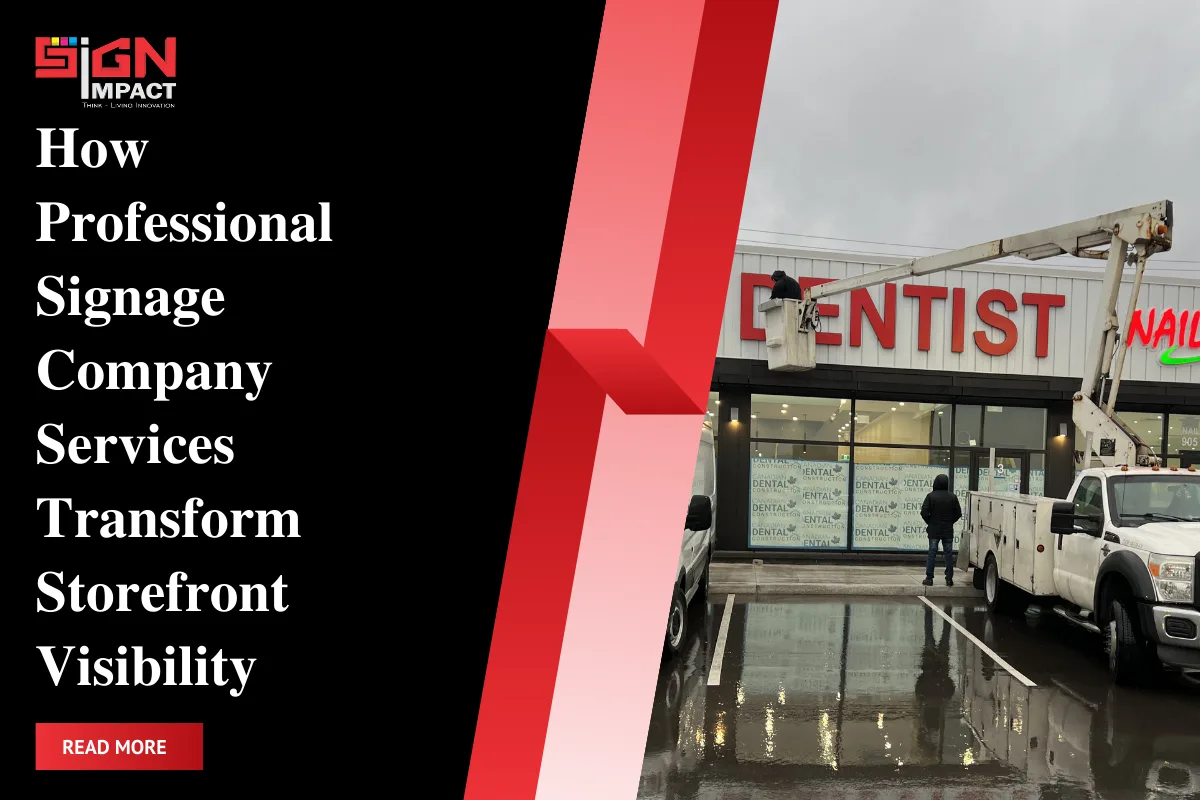
On install day, crews should follow safety protocols suited to the site. Exterior work can involve ladders, lifts, or cranes, while interior installs focus on wall prep and clean finishing. Effective scheduling minimizes disruption to customers and staff.
Confirm that your provider conducts a site survey, supplies proof-of-install photos, and reviews placement before drilling. These checkpoints make a difference in finish quality.
Lifecycle Support: Maintenance, Repairs, and Updates
Signs work hard. Sunlight, weather, and wear all take a toll. A smart plan includes cleaning schedules, inspections, and timely repairs to keep messages bright and readable. This step protects your investment and supports a consistent brand presence.
Typical maintenance includes replacing LED modules, reapplying vinyl, tightening fasteners, and cleaning faces. For vehicle wraps and window films, proper care extends service life and appearance.
Ask whether your provider offers a maintenance planning schedule or service packages that document recommended care. Even simple reminders help prevent small issues from becoming large costs, such as fading, peeling, or damage to the wrap or film that could require expensive repairs or replacements.
Project Management and Communication Flow
Clear communication is where projects often succeed or stall. Expect a timeline with milestones for design approvals, permitting, fabrication, and installation. Progress updates should be proactive, with any delays explained and new dates confirmed.
Many businesses prefer a single point of contact who can answer questions and coordinate internal teams. If you need structured reporting, ask for a shared tracker to monitor tasks and dependencies in real time.
If you want to understand how these elements come together with professional support, explore services from a custom sign company to see how design, permitting, fabrication, and installation are managed as one plan.
A Simple Framework to Scope Your Sign Project
Use this quick framework to set expectations and reduce surprises. It helps you communicate needs clearly and compare proposals on equal terms.
- Objectives: Define what the sign must achieve and who must see it. Clarify readability distance and brand goals.
- Site Realities: Gather photos, measurements, and landlord rules. Note power availability and wall composition.
- Design Inputs: Provide brand files, color targets, and messaging hierarchy. Request proofs with real-world mockups.
- Materials and Lighting: Choose substrates and illumination that suit weather, visibility, and maintenance expectations.
- Permits and Approvals: Identify requirements early to align timelines and documentation.
- Fabrication and Installation: Confirm schedule, access needs, and safety requirements for the site.
- Aftercare: Document cleaning, inspection, and repair plans to protect the asset over time.
For more structured evaluation methods, see the complete guide on this topic, which expands on screening criteria and vendor comparisons beyond this quick checklist.
When used consistently, a simple scoping framework makes it easier to compare quotes and communicate with internal stakeholders who approve budgets.
Local Perspective: How Sign Impact Approaches GTA Projects
Sign Impact is a Milton, Ontario-based sign shop and signs company serving Toronto and the Greater Toronto Area. The team focuses on outdoor signage such as custom storefront signs, channel letters, pylon signs, and illuminated solutions, as well as indoor signs like window graphics, films, and wall decals.
Local conditions across the GTA can vary by property and municipality, which can affect the design and installation of signage due to differing regulations, aesthetic preferences, and environmental factors. Practical experience with landlord coordination and municipal submissions helps keep projects on schedule. Vehicle wraps and fleet graphics add mobility to your brand presence.
In programs with multiple locations, providers who understand local permitting can avoid delays by making sure drawings and specifications meet common standards before they are submitted. This is where local familiarity adds real value.
FAQs

- What is the difference between a full-service provider and a company that makes signs only?
A full-service provider manages discovery, design, permits, fabrication, installation, and aftercare. A company that makes signs may only produce parts or prints, leaving you to manage surveys, approvals, and installation separately.
- Do I always need a permit for exterior signs?
Not always. Requirements depend on municipality, sign type, size, and placement. A provider should review local rules and advise whether drawings and applications are needed for your site.
- How long does a typical sign project take?
Timelines vary with design complexity, permitting, and fabrication steps. Clear scoping and early permit review help set realistic schedules. Your provider should outline milestones and updates.
- What file types do I need for design?
Vector files, which are graphics based on mathematical equations, such as AI (Adobe Illustrator), EPS (Encapsulated PostScript), or PDF (Portable Document Format), are common for logos and typography. Your provider can guide color targets and exports so the final sign matches brand expectations.
- How do I choose materials for durability?
Material choices depend on exposure, mounting surface, and maintenance plans. Discuss weather resistance, color stability, and serviceability to balance appearance with longevity.
- Can a business signage company handle installation at multiple sites?
Yes. Full-service providers often coordinate multi-site programs with standardized designs, schedules, and reporting. Ask about their approach to surveys and local approvals across locations.
- What if my brand updates after installation?
A viable plan anticipates updates by using replaceable faces, modular components, or vinyl overlays where practical. Discuss options that make future changes easier.
- Is an online sign shop enough for my project?
For simple prints or temporary graphics, online providers can be useful. For exterior, illuminated, or permit-required signs, an on-site assessment and coordinated installation are often essential.
Conclusion
Working with a full-service partner means your signage is shaped by strategy, built for the site, and installed with care. From discovery and design to permitting, fabrication, and maintenance, a capable team ties the details together so your message is clear and consistent.
Use the framework and comparison guidance in this article, and refer to the broader ideas from the pillar topic when assessing partners. When the time comes to coordinate multiple steps, prioritize strategic signage planning and open communication to keep quality and timelines on track.
If you have a project on the horizon or want to map out options, Contact Sign Impact for expert assistance. A thoughtful plan backed by proven processes will help your next sign perform as intended and represent your brand well.