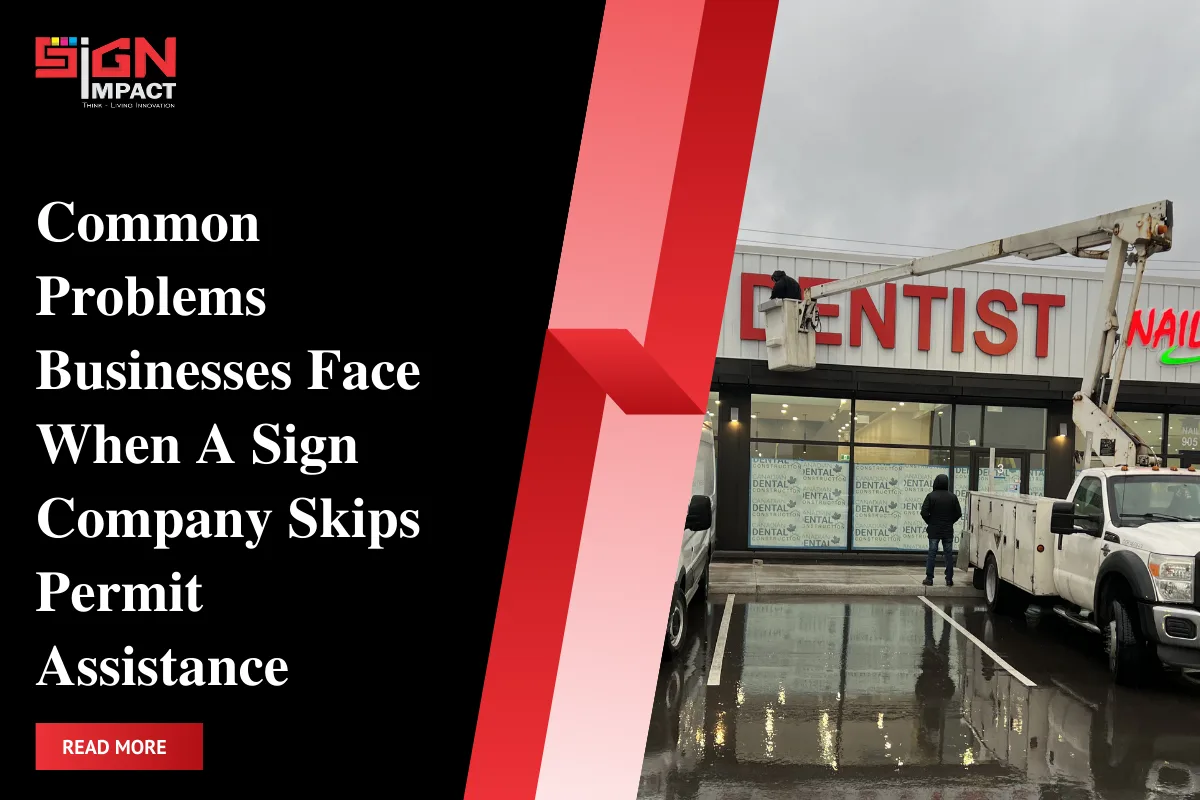
Poorly installed storefront signs drain visibility, invite safety risks, and create avoidable maintenance headaches. If a sign rattles, sags, flickers, or looks misaligned, the fix requires more than a quick tighten of bolts. A trusted signs company brings standards, tools, and a structured approach that restores performance and brand impact without guesswork. With Sign Impact, or any qualified team, the goal is not just to rehang a sign but to diagnose root causes, stabilize the structure, and prevent repeat failures. In this article, you will learn the symptoms to watch for, the typical reasons installs go wrong, and a step-by-step remediation framework you can apply with internal teams or external partners.
Quick Summary
Bad storefront sign installs show up as movement in the wind, water intrusion, uneven lighting, and crooked placement. The fastest path to resolution is an initial risk check, a targeted inspection, and a plan that sequences temporary stabilization, structural fixes, electrical remediation, and proper reinstallation. A sound process ends with testing, documentation, and a light maintenance plan so issues do not resurface.
This guide is vendor-neutral and designed for practical use across Retail Stores, Restaurants and Cafes, and Shopping Malls and Commercial Plazas. You will learn how to choose the right remediation method, when to call a business sign company, and what quality signals to request. Use this document as a reference to brief teams, align stakeholders, and insist on professional installation standards going forward.
Common Symptoms and Root Causes
Common symptoms include vibration or rattling during wind, gaps between the sign and wall, water streaks or fogging in face materials, flickering illumination, and uneven letter alignment. You might also notice fasteners backing out, sealant failures, conduit exposed to weather, and poorly finished edges. These are not cosmetic issues alone; they are often signs of more profound installation problems.
Typical root causes are incorrect fastener type for the substrate, insufficient anchor depth, missing backer plates, poor sealing of penetrations, inadequate power supply sizing, or improvised bracketry. Planning oversights also matter: missing measurements, unaccounted building movement joints, and no mockup for sightlines. Use simple root cause analysis to distinguish between structural, electrical, and environmental drivers and assign the right fix.
If you also need help choosing future partners wisely, see the internal reference article Complete Guide To Choosing The Right Sign Company For Your Business for a deeper look at evaluation criteria and process control.
Safety and Immediate Risk Control
Before any adjustment, protect people and property. De-energize illuminated signs at the breaker if there is a chance of water intrusion or wiring faults. Cordon off the area below the sign with cones or caution tape to prevent pedestrian exposure if fasteners have loosened. Capture photos of visible defects for records and insurance discussions.
If the sign shows movement or partial detachment, arrange temporary bracing or removal of loose faces and trim to reduce wind load until a full repair is performed. When working at height, ensure trained personnel and lifts are used. According to the Occupational Safety and Health Administration (OSHA), employers must protect workers from fall hazards and electrical risks during maintenance activities (Occupational Safety and Health Administration, n.d.). Fall protection.
Document what was stabilized, what was powered down, and who has authority to re-energize. This early control phase prevents escalation and frames the technical work to follow.
Remediation Framework: Step-by-Step To Fix a Bad Install
A reliable remediation follows a sequence so nothing is missed. It starts with inspection, proceeds through structural and electrical corrections, and ends with verification. If you want a broader perspective on selecting qualified teams for future work, review the complete guide on this topic for actionable selection questions and decision factors.
1) Visual and Dimensional Audit
Please confirm the sign dimensions, clearances, and sightlines according to the drawings. Note misalignments, face damage, and finish flaws. Record hardware types and spacing, then check for proper substrate engagement. A disciplined site survey here avoids repeating the original mistakes.
2) Structural Assessment
Identify the substrate (brick, block, concrete, metal, EIFS) and evaluate anchors for suitability and depth. Look for adequate backer plates or frame members, and verify the mounting pattern distributes loads. Where needed, specify stronger fasteners, corrosion-resistant hardware, or new attachment points.
3) Electrical and Weatherproofing Review
For illuminated signs, test power supplies, wiring gauges, and low-voltage connections. Replace compromised power supplies, connectors, or LED modules. Seal all penetrations with compatible sealant and gaskets. Consider drip loops and weep holes if water accumulation is evident. Prioritize weatherproofing to extend service life.
4) Engineering and Permit Check
If structural changes or relocation are required, consult engineering notes or request stamped drawings where your landlord or municipality requires them. Match the corrected design to landlord criteria and existing approvals. When in doubt, plan a concise permit review with the authorities or property management before reinstalling.
5) Fabrication Corrections
Where frames, faces, or returns were manufactured off-spec, refabricate components to align with the wall plane and meet specified tolerances. Upgrade mounting brackets and add backer plates where load distribution was insufficient. A focused refabrication can resolve chronic misalignment.
6) Reinstallation and Alignment
Use proper lifts, install from the center out, and verify plumb and level after each step. Ensure stand-offs, spacers, and isolation pads match the substrate’s contour. Torque fasteners according to manufacturer values and apply thread lockers where appropriate. Finish with clean caulking and concealed conduit runs for a professional result.
7) Commissioning and Handover
Power up, measure illumination uniformity, inspect timers or control systems, and confirm clear sightlines. Please provide as-built photos, maintenance notes, and a simple service checklist to assist teams in knowing what to monitor quarterly. This closes the loop and prevents repeat failures.
DIY vs Professional Remediation
Some fixes are feasible in-house, like tightening accessible trim caps or replacing a timer. But structural anchoring, elevated work, and powered signage demand professional expertise. Use the table below to decide when to keep tasks internal and when to escalate. The goal is not saving a day’s labor but preventing bigger failures and brand damage.
| Aspect | DIY Fix | Professional Remediation |
|---|---|---|
| Safety at Height | Limited ladder work for minor checks | Lift equipment, certified operators, and methodical risk control |
| Structural Anchoring | Not recommended | Engineer-reviewed anchors, correct fasteners, backer plates |
| Electrical Issues | Replace timers or fuses if trained | Power supply sizing, wiring replacement, waterproof connectors |
| Alignment and Level | Minor adjustments only | Full rehang with layout lines, tolerance checks, torque specs |
| Water Intrusion | Temporary sealant | Proper sealing, gaskets, drainage, face and frame rework |
| Documentation | Basic notes | As-builts, maintenance plan, landlord compliance evidence |
| Total Cost of Ownership | Lower immediate spend | Lower rework risk and total lifecycle value |
Working With a Professional Team: What to Expect
A qualified signage company, commercial sign company, or sign shop should propose a clear scope, timeline windows that respect store hours, and safe access plans. Expect a site visit, substrate tests, and a punch list that separates structural, electrical, and cosmetic fixes. Please request photos before and after, and ensure that approvals are centralized to avoid any changes drifting.
Good practice includes a concise method statement, a rigging plan for lifting, and a cleanup and disposal plan. Teams should coordinate with property management on staging and tenant impacts. If you prefer neutral guidance and execution, a capable signs company can bundle survey, refabrication, and installation so you have one point of accountability for outcomes.
When comparing proposals from a business sign company or signage company, weigh quality controls more than speed. Look for alignment checks, fastener specifications, sealant types, and commissioning metrics. These details, not slogans, indicate the fix will hold.
Industry Snapshots: Retail Stores, Restaurants and Cafes, and Commercial Plazas
Retail Stores often rely on window graphics and fascia-mounted signs to draw foot traffic. Poor installs show up as lifting vinyl edges, visible fastener heads, and shadows from misaligned letters. Request better substrate preparation, correct vinyl films for glass, and alignment templates for consistent letter spacing across roll-outs.
Restaurants and Cafes depend on illuminated channel letters and projecting signs for evening visibility. Typical faults include water ingress around power entries and hot spots in LED modules. Ask for sealed penetrations, drip loops, and matched power supplies to prevent flicker. Menu board enclosures should also be checked for ventilation and moisture barriers.
Shopping Malls and Commercial Plazas add a landlord layer. Criteria can include mounting heights, sign zones, and color temperatures. Demand documented anchor patterns, proof of load distribution, and confirmation that materials meet property standards. Meeting landlord criteria up front avoids rework and delays at turnover.
FAQs

- What qualifies as a poorly installed storefront sign?
Tell-tale signs include movement in light wind, crooked alignment, gaps between the wall and sign, water staining, and flickering lighting. These often indicate inadequate anchoring, poor sealing, or mismatched electrical components.
- Can most faulty installs be fixed without replacing the entire sign?
Often yes. If the faces and frames are sound, targeted anchoring changes, sealing, and electrical replacements can solve the problem. Full replacement is usually reserved for damaged structures or incorrect fabrication.
- Could you please let me know the duration of the
Timelines vary with access, structural needs, and electrical work. Simple adjustments can be quick, while anchor redesign, refabrication, and coordination with property management add time. Please utilize a scoped plan to ensure the work proceeds efficiently.
- Who is responsible for remediation costs: landlord or tenant?
Responsibility depends on lease terms and who contracted the original install. Many tenants coordinate with landlords to align on approvals and access. Review your agreement and align on scope before work starts.
- What documents should I request from the installer?
Ask for survey notes, hardware specs, any engineering references, photos before and after, and basic maintenance guidelines. These materials help with internal sign-off and future upkeep.
- How do I prevent water intrusion in illuminated signs?
Ensure penetrations are sealed, use compatible gaskets, include drip loops, and confirm weep holes or drainage paths. Selecting the right sealant for the substrate also matters.
- Are there risks with DIY electrical fixes?
Yes. Improper wiring or power supply selection can cause failures and safety hazards. Limit DIY to simple tasks if you are trained, and bring in qualified technicians for powered signage.
- What maintenance keeps a corrected sign in excellent shape?
Quarterly visual checks for fasteners, seals, and illumination uniformity are useful. Clean faces with approved materials and keep records of any adjustments.
Conclusion
Fixing a bad storefront sign is not just a quick tighten of bolts. It is a structured process of inspection, stabilization, structural and electrical correction, and final testing. A capable signs company offers the tools, experience, and discipline to deliver consistent results, while your internal team stays focused on operations and brand campaigns.
Use the framework in this article to brief stakeholders, set expectations, and evaluate proposals from a business sign company, signage company, or commercial sign company. For location-specific considerations, align plans with landlord requirements and documented approvals. Contact Sign Impact for expert assistance. With the right partner and process, your signage returns to work as a durable asset that protects safety and brand visibility, and your next project with a signs company starts on stronger footing.