Pylon and monument signs are two of the most powerful tools you can use to attract customers on busy streets in Toronto. When designed and installed properly, these outdoor commercial signs deliver high visibility signage that works for your business 24/7 guiding drivers, catching the attention of pedestrians, and reinforcing your brand in the community.
This complete guide explains what pylon and monument signs are, how they differ, where each type works best, and what to consider before investing in one for your property. You’ll also see how a local sign partner like Signimpact can help you navigate design, permits, and installation across Toronto and the GTA.
If you’re just starting your research into business signage options, you may also want to review the broader overview in our pillar resource: Complete overview: “Ultimate Guide: Sign Company Toronto for Custom Business Signs and Commercial Signage Solutions.”
What Are Pylon and Monument Signs?
What is a Pylon Sign?
A pylon sign is a tall, freestanding outdoor commercial sign mounted on one or more poles. You typically see pylon signs in Toronto along major arterial roads, highways, and at shopping plazas or business parks. Their height allows them to be seen over other buildings, parked vehicles, and landscaping.
Common characteristics of pylon signs include:
- Mounted on steel or concrete-supporting columns
- Single or double-sided faces for two-way traffic visibility
- Changeable tenant panels for plazas and multi-tenant properties
- Internal or external illumination (LED, fluorescent, or spot lighting)
- Branding elements such as logos, colours, and digital displays
Pylon signs in Toronto are popular for gas stations, car dealerships, hotels, big-box retailers, and multi-tenant shopping centres that need to be seen from a distance or from high-speed traffic.
What is Monument Signage?
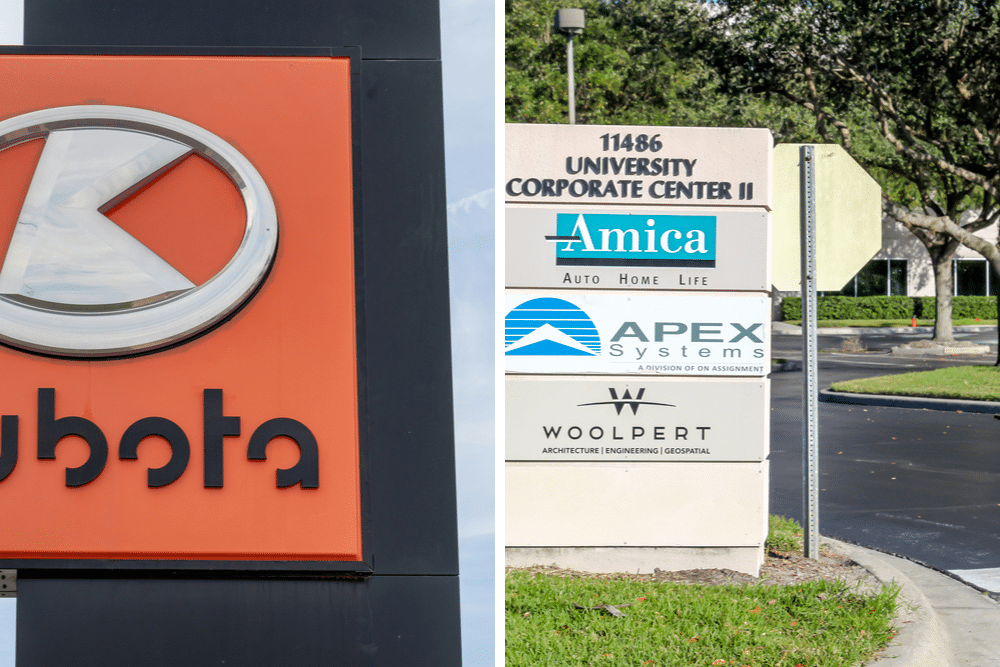
Monument signage is also freestanding, but it is lower to the ground and typically wider than it is tall. These signs are designed to look solid and architectural, often integrating with landscaping, stonework, or brick features near the entrance to a property.
Typical features of monument signs include:
- Low height, often 4 to 8 feet tall
- Solid base made from materials like brick, stone, concrete, or aluminum
- Built-in sign cabinets, dimensional lettering, or engraved panels
- Subtle but effective illumination for nighttime visibility
- Refined, architectural look that matches the building or site
Monument signage is common at corporate offices, medical complexes, schools, residential communities, and institutional campuses across Toronto that want high visibility signage without a towering structure.
Pylon vs. Monument Signs: Which Is Right for Your Location?

Both pylon and monument signs can dramatically increase drive-by visibility, but they are suited to different business goals and site conditions. Use the comparison below to evaluate which option might be right for your property.
| Factor | Pylon Signs | Monument Signs
|
|---|---|---|
| Typical Height | 15–60+ feet, depending on local bylaws | 4–8 feet, occasionally up to 10–12 feet |
| Best For | High-speed roads, highways, and large plazas needing distance visibility | Driveway entrances, campuses, and sites prioritizing aesthetics and wayfinding |
| Visibility Range | Visible from long distances and above obstructions | Highly visible near the property entrance and at eye level |
| Brand Impression | Bold, high-impact, great for volume traffic | Premium, architectural, cohesive with landscaping |
| Typical Users | Retail plazas, gas stations, hotels, auto dealers | Corporate offices, schools, healthcare facilities, communities |
| Design Flexibility | Can incorporate digital displays, tenant panels, large logos | Can integrate stone/brick, dimensional letters, subtle lighting |
| Impact on Streetscape | Dominant presence, strong beacon effect | Blends with architecture, enhances curb appeal |
When pylon signs in Toronto are the better Choice
Consider a pylon sign if:
- Your business is set back far from the road or behind other buildings.
- Traffic on the road moves quickly (e.g., 60–80 km/h) and drivers need longer distance to see and react.
- You operate a plaza or multi-tenant property and need to display several businesses in one structure.
- Nearby competitors already use tall signage and you risk being hidden without similar visibility.
When Monument Signage is the Better Choice
Monument signs are often the best option when:
- Your property sits close to the street with a defined driveway or entrance.
- Local bylaws restrict tall pylon structures but allow low-profile signs.
- You want to emphasize a professional, upscale, or institutional image.
- Brand consistency with architecture and landscaping is a priority.
Signimpact regularly helps Toronto property owners evaluate site conditions, traffic speed, and municipal rules to determine whether a pylon or monument sign or a combination of both will deliver the best return on investment.
How Pylon and Monument Signs Boost Visibility on High-Traffic Streets
High-traffic streets offer massive exposure, but they also create intense competition for attention. Strategically designed outdoor commercial signs act as constant advertising, boosting both awareness and wayfinding.
Increased Impressions and Brand Recall
Drivers and pedestrians passing your location may see your sign hundreds of times per month. Research in signage and out-of-home advertising consistently shows that repetition improves brand recall and increases the likelihood that people will choose your business when they need your product or service. Pylon and monument signs, because of their size and prominence, excel at this type of repeated exposure.
Improved Wayfinding and Access
On busy corridors in Toronto, missing a driveway can mean a long loop around the block or even lost customers. High visibility signage near your entrance helps drivers:
- Identify your driveway from a distance
- Safely change lanes in time to turn
- Distinguish your entrance from neighbouring properties
For multi-tenant plazas, a well organized pylon sign acts like a directory, helping customers quickly find the right store or office.
24/7 Marketing with Illuminated Signage
Most pylon and monument signs in Toronto include illumination, whether through internal LEDs, backlit faces, or external floodlighting. Illuminated signage offers several advantages:
- Visibility during dark winter evenings and early mornings
- Safety and security benefits in parking lots and entrances
- Reinforced brand presence even when your business is closed
Signimpact frequently combines pylon and monument structures with channel letter signs or custom cabinets to create layered, high-impact visibility for businesses along busy routes.
Design Essentials for Effective Pylon and Monument Signs
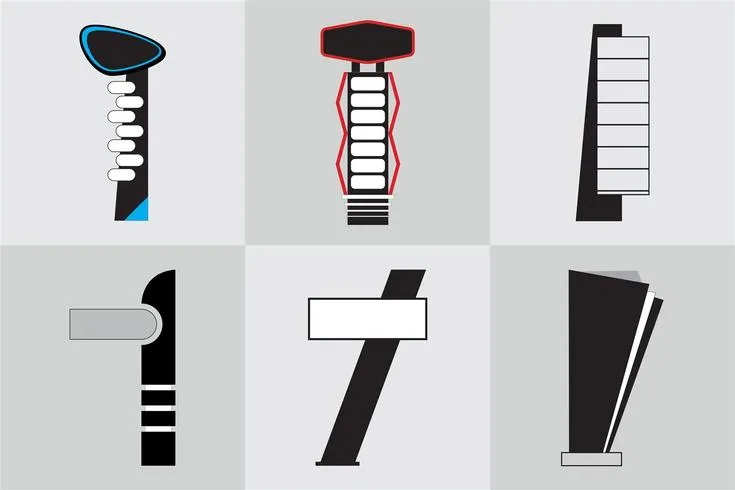
Strong structural engineering is critical for safety, but the design of your sign’s face is what ultimately persuades customers. Below are core principles Signimpact applies when designing pylon and monument signs for Toronto businesses.
1. Prioritize Legibility at Speed
High-traffic streets usually mean higher driving speeds. A driver may have only 23 seconds to read your sign. Design for quick comprehension:
- Simple messaging: Focus on your name, core service, and maybe one key differentiator.
- Readable fonts: Use clean, sans-serif typefaces and avoid dense script or overly thin lettering.
- Adequate letter height: A common guideline is about 2.5–3 cm of letter height per 3 metres of viewing distance.
2. Use Strong Contrast and Brand Solours
Contrast is essential for outdoor commercial signs. Aim for high contrast between background and text (e.g., dark text on a light background or vice versa). Integrate your brand colours, but make sure they don’t reduce legibility. Signimpact’s designers can create mock-ups that show how your colours will appear in different daylight and nighttime conditions.
3. Incorporate your Logo and Brand Hierarchy
For long-term brand building, your logo should be a dominant element. Establish a clear hierarchy:
- Business name and logo
- Primary service or category (e.g., Dental, Auto Service, Pharmacy)
- Optional: short tagline or call-to-action
Multi-tenant pylon signs require careful planning so each tenant remains legible. Coordinating panel colours, fonts, and layout helps prevent visual clutter.
4. Plan for Illumination and Energy Efficiency
LED illumination is now standard for most new pylon and monument signage in Toronto due to its longevity and lower energy use. Options include:
- Internally lit cabinets with translucent faces and vinyl graphics
- Push-through acrylic letters for a more premium effect
- Halo-lit letters for monument structures with dimensional text
Signimpact can recommend lighting solutions that balance upfront cost, energy efficiency, and aesthetic impact for your location.
5. Align with Building Architecture and Site Design
Pylon and monument signs should feel like a natural extension of your building and landscape. Consider:
- Repeating materials from your façade (brick, stone, metal finishes)
- Matching colours and design motifs for a cohesive impression
- Integrating landscaping around a monument base to soften the structure
In many Toronto neighbourhoods, thoughtful design is not only desirable but may be required by local planning guidelines or business improvement associations.
Key Permitting and Bylaw Considerations in Toronto
Pylon and monument signs are large, permanent structures. Before fabrication starts, you’ll need to ensure your project complies with city bylaws and obtain any required permits.
Height, Size, and Location limits
Each municipality in the Greater Toronto Area has specific rules governing:
- Maximum sign height and total sign area
- Setbacks from property lines, roads, and sidewalks
- Clearance requirements to avoid blocking sightlines for drivers
- Number of freestanding signs allowed per property
In some zones, taller pylon signs may be allowed near highways, while residential-adjacent areas may only permit smaller monument signage. Checking these restrictions early prevents costly redesigns later.
Structural and Electrical Approvals
Because pylon and monument signs often involve deep foundations, steel structures, and electrical components, you may need:
- Engineered drawings and structural review
- Electrical permits for illumination
- Safety inspections after installation
Signimpact supports businesses by coordinating with local authorities, preparing drawings, and helping to manage the sign permit application process.
Special Rules for Illuminated and Digital Signs
If you plan to use digital displays or bright illumination, additional restrictions may apply, such as:
- Limits on brightness and animation
- Curfews for illumination near residential areas
- Restrictions on video or rapidly changing content
Complying with these requirements is critical to avoid fines, complaints, or orders to modify your sign after installation.
From Concept to Installation: Typical Project Steps
Designing and installing pylon and monument signs is more complex than ordering a simple storefront sign. Here’s how a typical project unfolds when you work with a professional sign company like Signimpact.
1. Site Assessment and Goal Setting
An on-site review helps determine:
- Optimal sign placement for sightlines and traffic flow
- Any obstacles like trees, power lines, or competing signage
- Visibility from different directions and distances
You’ll also clarify goals brand presence, wayfinding, tenant listing, or a combination of these.
2. Design and Engineering
Once goals are clear, the design team develops concept renderings and specifications. For pylon signs in Toronto, this often includes:
- Sign face layout and typography
- Structural design for wind and snow loads
- Lighting and electrical details
Signimpact can provide visual mock-ups superimposed on site photos so you can see how the sign will look in context.
3. Permits and Approvals
With a finalized design, permit drawings are prepared and submitted to the relevant municipality. Timelines can vary, so building this into your project schedule is important. Your sign partner should keep you informed throughout the approval process.
4. Fabrication
After permit approval, the sign goes into fabrication. This can include:
- Cutting and welding steel support structures
- Building and finishing sign cabinets or monument bases
- Printing or applying graphics and lettering
Quality fabrication ensures your sign withstands Toronto’s weather conditions and continues to look sharp for years.
5. Installation
Installation usually involves heavy equipment, such as augers, cranes, and concrete trucks. Installers will:
- Excavate and pour footings to engineered specifications
- Set and secure the support structure
- Mount sign faces or panels
- Connect and test electrical components
Signimpact’s installation teams operate across Toronto and the GTA, coordinating access, traffic safety, and final inspections.
Maximizing ROI from Pylon and Monument Signs

Pylon and monument structures are an investment. To maximize their return, think beyond basic identification and consider how they fit into your broader marketing and customer experience.
Track Impact Where Possible
While some benefits are difficult to quantify, you can often gauge impact by monitoring:
- Increases in drive-in traffic after installation
- Customer feedback on finding your location more easily
- Changes in call volume or website visits from local users
Some businesses add unique URLs or call tracking numbers to measure response to high visibility signage.
Keep Content Current and Relevant
For multi-tenant pylon signs, ensure tenant panels are updated promptly as businesses change. If your monument signage includes changeable copy or a digital display, use it to promote:
- Special offers or seasonal services
- Important announcements (e.g., new hours or locations)
- Community messages to build goodwill
Maintain your Sign for Long Term Impact
Faded graphics, burned-out lights, or damaged panels undermine the professional image you’re trying to create. A maintenance plan for cleaning, lighting checks, and occasional refreshes will keep your pylon or monument sign working hard for your business.
Signimpact offers repair, retrofitting, and LED upgrades for existing outdoor commercial signs, helping Toronto businesses extend the life and performance of their signage.
Frequently Asked Questions About Pylon and Monument Signs

Q: How much do pylon and monument signs cost in Toronto?
Costs vary widely depending on size, materials, illumination, structural needs, and site conditions. A small, non illuminated monument sign will cost less than a tall, fully lit, multi-tenant pylon sign. Because each project is unique, Signimpact typically provides custom quotes after a site review and initial design discussion.
Q: How long does it take to design and install a pylon or monument sign?
Project timelines usually range from several weeks to a few months. The main variables are design complexity and permit approval times. After permits are granted, fabrication and installation often take 4 to 8 weeks, depending on workload and weather conditions.
Q: Do I need a permit for pylon and monument signs in Toronto?
In most cases, yes. Freestanding signs almost always require permits and must comply with municipal bylaws. Signimpact assists clients by preparing drawings, submitting applications, and coordinating with city officials to streamline the process.
Q: Can I add a digital screen to my pylon sign?
Digital displays can be incorporated into many pylon structures, but you must comply with local rules on brightness, content, and animation. It’s important to confirm what is allowed on your specific site. A professional sign company familiar with Toronto’s regulations can advise you before you invest in LED display hardware.
Q: How long do pylon and monument signs last?
With quality materials and proper maintenance, structural components can last well over a decade. Graphics, faces, and lighting elements may need updating sooner due to weathering, branding changes, or technology improvements. Many businesses use this natural refresh cycle to modernize their overall visual identity.
Conclusion: Invest in Pylon and Monument Signs That Work for You
Pylon and monument signs are among the most effective forms of permanent, high visibility signage available to businesses on busy Toronto streets. Whether you need a towering pylon visible from the 401 or a refined monument sign at a corporate entrance, a well-designed structure can significantly improve wayfinding, brand recognition, and curb appeal.
By understanding the differences between pylon and monument signage, aligning your design with traffic conditions and local bylaws, and partnering with an experienced sign company, you can create outdoor commercial signs that deliver value for many years.
Signimpact helps businesses across Toronto and the GTA with every stage of the process from concept design and permits to fabrication and installation of pylon and monument signs, storefront signs, channel letters, and more. To see how these sign types fit into a complete branding strategy, be sure to review our broader resource: Complete overview: “Ultimate Guide: Sign Company Toronto for Custom Business Signs and Commercial Signage Solutions.”
If you’re considering a new pylon or monument sign for a high traffic location, contact Signimpact to discuss your site, objectives, and budget. Our team can recommend the right solution and provide a clear roadmap from idea to installation.