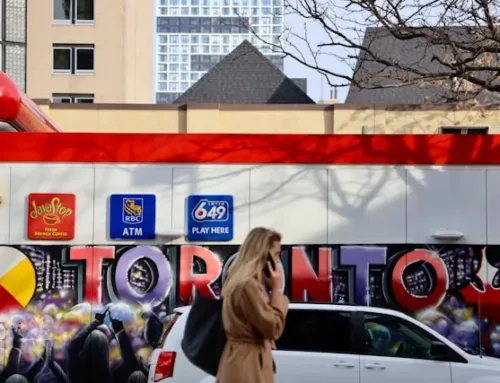
In a competitive city like Toronto, your customers are bombarded with visual messages every second they step onto the street or into a mall. Effective retail signage is what cuts through this noise, attracts the right shoppers, and guides them toward a purchase. Done strategically, your signs don’t just decorate your store they become a powerful, measurable sales tool.
This retail signage playbook is designed for store owners, managers, and marketers who want to turn every square foot of their storefront and interior into a conversion engine. We’ll walk through best practices for retail store signs Toronto businesses rely on, from exterior visibility to in-aisle prompts and point of sale signage that nudges shoppers to say “yes.”
For a broader look at how signage fits into your overall branding and marketing strategy, see the pillar resource: Complete overview: “Ultimate Guide: Sign Company Toronto for Custom Business Signs and Commercial Signage Solutions.”
Why Retail Signage Matters More Than Ever
Online shopping has raised customer expectations. When people choose to visit a physical store in Toronto, they’re looking for clarity, confidence, and a great experience. Strategic retail signage delivers all three:
- Attracts attention from passing pedestrians and drivers.
- Communicates value (price points, promotions, quality) at a glance.
- Guides navigation so shoppers can quickly find what they came for.
- Reinforces in-store branding and differentiates you from competitors.
- Stimulates impulse purchases and boosts average transaction value.
Think of your retail signage as the silent salesperson who’s always on shift: consistently welcoming, informing, persuading, and upselling without increasing payroll costs.
Core Types of Retail Signage (and When to Use Each)
Effective retail environments use a mix of sign types that work together. Here’s a practical breakdown for Toronto retailers planning or upgrading their signage program.
1. Exterior & Storefront Retail Signage
Your exterior signs are responsible for first impressions and foot traffic. In urban high streets and plazas across Toronto, they also need to compete with visual clutter and comply with local bylaws.
- Storefront signs & channel letters: Primary brand identifiers mounted above entrances or fascia. Ideal for visibility from a distance.
- Blade / projecting signs: Perpendicular signs visible to pedestrians walking parallel to your storefront along busy streets.
- Window graphics & films: Communicate promotions, hours, and brand personality directly at eye level.
- Pylon or monument signs: Essential for plaza or multi-tenant locations where road visibility matters.
Goal: Capture attention, signal what you sell, and invite people in.
2. Welcome, Directional & Departmental Signs
Once shoppers step inside, they should instantly know they’re in the right place and how to move around.
- Entrance welcome signs: State your core promise or positioning: “Fresh Local Produce,” “Designer Footwear,” etc.
- Wayfinding signs: Arrows, hanging aisle markers, or wall-mounted directories guiding shoppers to key sections.
- Department headers: Clear headers for categories (e.g., “Women’s Denim,” “Gifts Under $50”).
Goal: Reduce friction and anxiety by making navigation effortless.
3. Promotional & Point of Sale Signage
This is where signage directly impacts conversion and basket size. Point of sale signage and promotional displays should be intentionally placed where purchase decisions happen.
- Shelf talkers: Small signs attached to shelves calling attention to pricing, features, or benefits.
- End-cap signs: Highlight featured products on aisle ends.
- Countertop / checkout signs: Last-minute reminders for add-ons, warranties, loyalty programs, or seasonal items.
- Floor graphics: Direct shoppers toward deals or specific products with visual cues underfoot.
Goal: Drive decisions, promote offers, and increase average order value at key decision points.
4. In-Store Branding & Atmosphere
In-store branding ties everything together visually and emotionally. It’s the layer that makes your store feel uniquely “you.”
- Wall decals and murals: Tell your brand story, showcase lifestyle imagery, or reinforce your mission.
- Branded window films: Provide privacy or sun control while carrying brand colours and icons.
- Suspended graphics: Large format visuals that frame spaces and establish mood.
Goal: Build brand recognition, convey your values, and make the shopping experience memorable.
The Retail Store Signs Toronto Customers Actually Notice
Toronto shoppers are design savvy. Your retail store signs need to do more than exist — they must stand out and stay legible in real-world conditions (weather, lighting, traffic speed, and crowd density).
Key Design Principles for Effective Retail Store Signs
- Prioritize legibility
- Use high contrast colour combinations (e.g., dark text on light backgrounds).
- Avoid overly decorative fonts for main messages; use them sparingly for accents.
- Follow the “1 to 10” rule: if someone is 10 metres away, they should recognize the sign in 1 second.
- Limit text and focus on one message
- Headlines of 3 to 7 words perform best for quick comprehension.
- Each sign should answer: “What do you want the shopper to do right now?”
- Use consistent branding
- Align colours, fonts, and tone with your overall brand standards.
- Consistency across exterior and interior signage builds trust and recognition.
- Design for the environment
- Consider local lighting conditions: is your storefront shaded, sunlit, or lit primarily at night?
- For Toronto winters, prioritize durable materials and illuminated signage for shorter daylight hours.
Sample Sign Types and Objectives
| Sign Type | Location | Primary Objective
|
|---|---|---|
| Channel letter storefront sign | Exterior fascia | Brand visibility from street and at night |
| Window promo decals | Street-facing windows | Highlight sales and seasonal offers |
| Department header | Interior above aisles | Help shoppers find categories easily |
| Shelf talker | On shelving edge | Draw attention to specific SKUs or deals |
| Countertop POS sign | Checkout counter | Upsell add-ons, memberships, or gift cards |
Designing Point of Sale Signage That Actually Sells
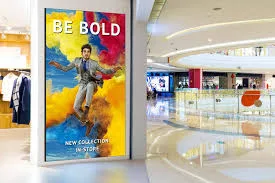
Point of sale signage is where strategy meets execution. It’s the last touchpoint before money changes hands, and small changes here can have a big impact on revenue.
Three Golden Rules for POS Signage
- Be specific and benefit driven
- Weak: “New Items Available”
- Stronger: “New Local Candles to Save 15% When You Buy 2+ Today”
- Keep hierarchy clear
- Headline: the main offer (largest text).
- Support line: brief detail or benefit.
- Call to action: what to do next (“Ask your cashier,” “Add one now”).
- Align offers with buying context
- At the counter, promote low risk add ons and impulse buys.
- Near higher-priced items, promote financing, warranties, or bundles.
Examples of Effective POS Signage Messages
- “Add a Reusable Bag Today to Only $2.99, Save Every Visit.”
- “Protect Your New Phone to Screen Protectors Installed While You Pay.”
- “Join Our Rewards Club to 10% Off This Purchase When You Sign Up.”
In a Toronto retail setting, where lineups can form quickly during peak hours, concise and visually strong POS signs help staff sell more without slowing down transactions.
In-Store Branding: Turning Shoppers into Loyal Fans
Effective in-store branding makes customers feel like they belong. It transforms a simple transaction into a memorable experience they’ll want to repeat and share.
Key Elements of Strong In Store Branding
- Visual consistency
- Use a tight palette of 2 to 3 core colours across your walls, signage, and printed materials.
- Apply the same logo treatment on exterior retail store signs Toronto shoppers see and interior graphics.
- Storytelling zones
- Create wall decals or graphic panels that share your origin story or sustainability commitments.
- Use lifestyle imagery to show your products in context (e.g., home, office, outdoor scenes).
- Sensory alignment
- Match your visuals with music, scents, and lighting that reinforce your brand personality.
- For example, a minimalist fashion boutique in downtown Toronto might combine clean, monochromatic wall graphics with soft lighting and calm music.
Practical In-Store Branding Signage Ideas
- Vinyl wall quotes reflecting your brand voice or values.
- Oversized product photography printed on rigid panels or wall murals.
- Branded change room or checkout area graphics that make these spaces feel intentional, not forgotten.
- Window films featuring patterns or icons related to your brand (e.g., coffee beans for cafés, geometric shapes for modern décor shops).
Signimpact regularly helps Toronto retailers translate their brand guidelines into cohesive environmental graphics from concept and design through to production and installation.
Planning Your Retail Signage System: A Step-by-Step Framework
Upgrading your retail signage doesn’t have to be overwhelming. Use this step-by-step framework to plan a cohesive, conversion-focused system.
Step 1: Audit Your Current Signage
Walk your store outside and inside as if you were a first-time customer. Take photos and make notes:
- Can someone clearly see your store from across the street or parking lot?
- Is it obvious what you sell within 3 seconds of approaching?
- Are hours, entry points, and COVID or accessibility information clearly posted?
- Inside, can shoppers quickly find key departments or bestseller sections?
- Where do people hesitate or ask staff for directions most often?
Step 2: Define Objectives for Each Area
Break down your store into zones (exterior, entrance, key aisles, promotional areas, checkout). For each zone, ask:
- What do we want customers to do here?
- What questions or objections do they typically have?
- What offer or information would help them move forward?
This will guide which retail signage types you need in each zone.
Step 3: Map Sign Types to Zones
Use a simple matrix like this to align needs with solutions:
| Zone | Customer Need | Recommended Signage
|
|---|---|---|
| Exterior | Find you, understand what you sell | Channel letter sign, window graphics, hours decal |
| Entrance | Feel welcomed, know key offers | Welcome sign, seasonal promo sign, wayfinding arrows |
| Main aisles | Locate categories quickly | Department headers, hanging aisle markers, floor graphics |
| Promotional areas | Understand deals, compare options | End-cap headers, shelf talkers, product info cards |
| Checkout | Consider add-ons, join loyalty, feel appreciated | Countertop POS signs, thank-you signage, QR codes for reviews |
Step 4: Ensure Compliance and Quality
In Toronto, exterior signage especially illuminated and larger storefront signs often requires permits and must adhere to municipal bylaws and landlord guidelines.
- Check local sign bylaws and plaza rules before ordering new exterior signs.
- Choose durable materials that can withstand Toronto’s climate (sun, snow, temperature swings).
- Ensure professional installation, particularly for illuminated and overhead signage.
Signimpact supports Toronto retailers with design, permit assistance, and installation to keep projects on time, on brand, and compliant.
Step 5: Measure & Refine
Retail signage should be measurable. Track simple indicators to understand what’s working:
- Foot traffic before and after new exterior signage.
- Sales lift for products featured in new promotional signs.
- Number of customers asking for directions before vs. after wayfinding updates.
- Uptake of add-ons or loyalty programs after refreshing POS signage.
Adjust messages, placements, or visuals based on what your customers respond to and treat your signs as living assets, not one time purchases.
Local Considerations for Retail Signage in Toronto
Designing effective retail store signs Toronto shoppers engage with means accounting for local realities.
Urban vs. Suburban Locations
- Downtown & main streets
- Focus on pedestrian visibility: blade signs, window graphics at eye level, and creative window displays.
- Short viewing distances but brief attention spans simple, bold messages win.
- Plazas & power centres
- Design for drivers: large letter heights, high contrast, and illuminated signage.
- Pylon or tenant panel signs are critical to help customers find you from main roads.
Seasonality and Weather
- Winter
- Early darkness makes illuminated signs more important.
- Promotional signage should be visible through snowbanks and from parked cars.
- Summer
- Glare can affect window-readability; use bold colours and anti-glare materials where possible.
- Consider removable outdoor A-frames or flags if permitted.
Working with a local partner like Signimpact ensures your retail signage is designed and built with Greater Toronto Area conditions in mind.
FAQs About Retail Signage for Toronto Stores

1. How many signs is “too many” inside a retail store?
More signs are not always better. If everything is shouting, nothing is heard. Aim for a clear hierarchy: a few large departmental and branding signs, plus targeted promotional and point of sale signage in key decision zones. Periodically walk your store and remove outdated or redundant signs to avoid visual clutter.
2. How often should I update promotional signage?
That depends on your merchandising cycle. Many Toronto retailers update major promotions monthly and smaller offers weekly. The key is to keep dates, prices, and product references current. Invest in reusable frames or hardware so you can swap out printed inserts easily without replacing the entire system.
3. Do I really need illuminated exterior signage?
If your store is open or visible in the evenings which is common in Toronto year round illuminated signage significantly improves visibility and perceived professionalism. Channel letters, backlit cabinets, and window illumination can all help, especially during winter months with limited daylight.
4. What’s the best material for durable retail signage?
For exterior signs, aluminum, acrylic, and high quality vinyl are common choices that perform well in the GTA climate when fabricated correctly. Interior signage can use a wider range of substrates, including PVC, foam board, and removable vinyl wall graphics. A professional sign company will recommend materials based on location, longevity, and budget.
5. Can Signimpact help with both design and installation?
Yes. Signimpact offers end-to-end support for Toronto retailers, including signage strategy, custom design, material recommendations, permit assistance, fabrication, and professional installation. This ensures your retail signage looks great, complies with local regulations, and performs as a sales and branding asset.
Conclusion: Turn Your Retail Signage into a 24/7 Sales Engine
When planned strategically, retail signage becomes one of the most cost effective tools you have to attract foot traffic, simplify the shopping journey, and increase conversions. From high-impact retail store signs Toronto customers see from the street to persuasive point of sale signage and cohesive in-store branding, each sign plays a defined role in moving shoppers from curiosity to checkout.
If you’re ready to transform your storefront and interior into a unified, high performing retail environment, Signimpact can help you plan, design, and install a signage system tailored to your Toronto location and customer base. To see how this playbook fits within your broader signage strategy, don’t miss: Complete overview: “Ultimate Guide: Sign Company Toronto for Custom Business Signs and Commercial Signage Solutions.”
With the right partner and a clear strategy, your signs can work harder for you every hour your doors are open, and even when they’re not.