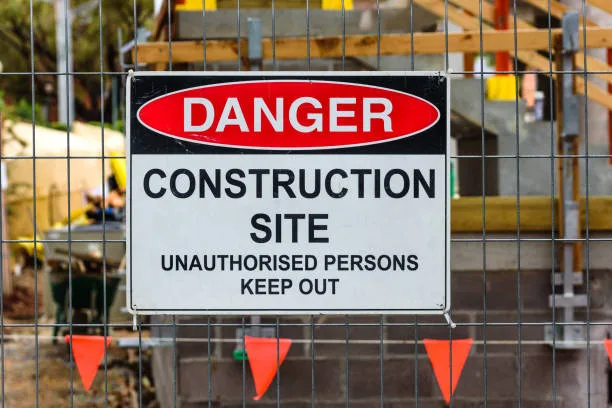
In a busy city like Toronto, construction site signage is more than a regulatory requirement it’s a powerful marketing tool and a frontline safety system. Whether you are a real estate developer, builder, general contractor, or property manager, the right mix of site boards, hoarding signs, and safety signage can protect workers and the public while also promoting your brand and upcoming projects.
This cluster guide expands on the principles covered in the main signage overview: Read complete overview: “Ultimate Guide: Sign Company Toronto for Custom Business Signs and Commercial Signage Solutions.” Here, we focus specifically on the challenges and opportunities around real estate and construction signage across Toronto and the GTA and how a specialized sign company like Signimpact can support you from design and permitting to installation.
Below, you’ll learn how to plan effective construction site signage, what types of signs you need at different stages of a project, and how to ensure your signage meets safety regulations while maximizing your visibility and return on investment.
Why Construction Site Signage Matters in Toronto
Every construction site in Toronto is subject to strict safety obligations and public visibility. Signs do a lot of heavy lifting: they warn, direct, protect, and promote. Skipping or minimizing signage can lead to fines, accidents, and missed marketing opportunities.
Key Roles of Construction Site Signage
- Safety and compliance: Communicate hazards, required PPE, emergency procedures, and site access rules to meet provincial and municipal standards.
- Public protection: Inform pedestrians and drivers about detours, restricted zones, and potential hazards around the site perimeter.
- Brand visibility: Use large-format hoarding signs and site boards to showcase your development, builder brand, and key partners.
- Sales and leasing: Turn fencing and hoarding into high-impact real estate signage that generates inquiries long before the project is complete.
- Wayfinding and operations: Direct deliveries, subcontractors, and visitors efficiently around the site to reduce delays and confusion.
With competition for attention across Toronto’s skyline, effective construction site signage can be the difference between a hidden job site and a high-profile, marketable project.
Core Types of Construction Site Signage
While every project is unique, most sites require a mix of the following sign types. Planning them together from day one helps you stay on schedule, on budget, and in compliance.
1) Site Boards
Site boards (also called project boards or builder boards) are typically mounted at the primary entrance or high-traffic areas of the site. They usually display:
- Project name and rendering
- Developer, builder, architect, and key consultants
- Website, contact details, sales or leasing information
- Permits or project reference numbers (where required)
Professionally designed site boards help establish credibility and inform neighbours, city officials, and potential buyers about what’s coming.
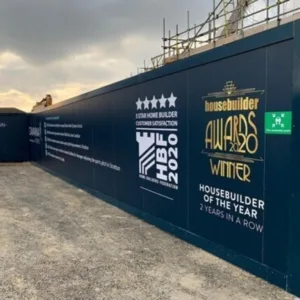
2) Hoarding Signs and Fence Graphics
Construction hoarding is the temporary barrier that separates the site from public sidewalks and roads. This surface is prime real estate for large-format branding and messaging. Hoarding signs and fence graphics can include:
- Project name and logo, full-colour renderings, and lifestyle imagery
- Sales and leasing messages: pricing, occupancy dates, unit types
- Directional info for presentation centres or sales offices
- Community messaging about noise, timelines, and environmental considerations
In downtown Toronto, where pedestrians pass by your site every day, well-branded hoarding can function like a continuous billboard campaign throughout the life of the project.
3) Safety Signage
Safety signage is mandatory on any active construction site. These signs communicate vital information quickly and clearly to workers and visitors. Typical safety signage categories include:
- Mandatory PPE signs: Hard hats, high-visibility vests, safety boots, eye protection, etc.
- Hazard warnings: Falling objects, open excavations, overhead power lines, high noise areas.
- Prohibition signs: No unauthorized entry, no smoking, no cell phones in certain zones.
- Emergency and first aid signs: Emergency exits, muster points, first aid stations, fire extinguisher locations.
- Traffic management signs: Speed limits, one-way routes, truck entrance/exit, pedestrian crossings.
Clear, standardized graphics and durable materials are critical so that signs remain legible in tough site conditions.
4) Real Estate and Marketing Signage
For developers and realtors, the site perimeter is the earliest opportunity to market a future property. Real estate signage on a construction site can include:
- Coming-soon banners and pre-construction sales boards
- Large-format renderings and floorplan highlights
- QR codes linking to registration pages and virtual tours
- Contact information for sales teams or brokerages
Integrating branding into your construction site signage helps build a cohesive story around the project and accelerates your marketing timeline.
Planning Construction Site Signage: Strategy Before Printing
Effective signage starts with thoughtful planning, not just ordering a few standard safety boards at the last minute. Signimpact works with Toronto builders and developers to develop site-wide signage plans that align with project schedules and budgets.
Step 1: Audit Your Site and Requirements
Before design begins, map out the project using a site plan. For each phase—demolition, excavation, structural work, interior build out identify:
- Entrance and exit points for vehicles and pedestrians
- High-risk work areas (cranes, excavations, high-voltage zones)
- Public-facing boundaries for hoarding and fencing
- Areas where permits, licenses, or statutory notices must be displayed
- Potential zones for promotional real estate signage
Step 2: Define Objectives for Each Sign Type
Group your signage needs into safety, compliance, wayfinding, and marketing. For each category, define what success looks like. Examples:
- Safety: Zero confusion about PPE requirements at entry points.
- Compliance: All regulatory notices visible, legible, and weather-resistant.
- Wayfinding: Clear, simple routes for deliveries and visitor access.
- Marketing: Capture leads via website and QR codes from passerby traffic.
Step 3: Coordinate with Permitting and Regulations
Toronto and surrounding municipalities may have specific rules about hoarding heights, encroachment on public space, and sign sizes. While this article is not legal advice, it’s critical to:
- Confirm local sign bylaws and hoarding requirements early in the project.
- Verify where and how mandatory safety information must be displayed.
- Clarify what promotional content is allowed on hoarding and site boards.
Signimpact can assist with permit assistance and coordinate with local authorities so your signage strategy stays compliant from the first print to final installation.
Step 4: Align Design with your Overall Brand
Construction site signage is often the first real-world touchpoint for your new development. Consistent branding across site boards, hoarding signs, and safety signage builds trust and recognition. To achieve this:
- Use consistent colour palettes, typography, and logos.
- Balance bold branding with legible text and safety icons.
- Ensure contrast and font size support quick readability from a distance.
Materials and Finishes for Durable Site Boards and Hoarding Signs
Construction sites are harsh environments: dust, moisture, impact, and UV exposure are constant. Selecting the right materials helps your signs stay sharp and readable throughout the project.
Common Materials used in Construction Site Signage
| Material | Typical Use | Key Advantages
|
|---|---|---|
| Coroplast (corrugated plastic) | Temporary safety signage, directional signs | Lightweight, economical, weather-resistant, easy to mount |
| Aluminum / Aluminum Composite (ACM) | Site boards, long-term safety signs, exterior branding | Rigid, durable, corrosion-resistant, professional appearance |
| Vinyl banners | Fence banners, coming-soon graphics | Flexible, large-format, cost-effective for big surfaces |
| Adhesive vinyl on plywood hoarding | Full-coverage hoarding signs | Seamless graphics, high-impact branding, customizable |
| Mesh banner material | Construction fencing, windy locations | Wind-permeable, reduces strain on fences, good print quality |
Signimpact recommends selecting materials based on project duration, exposure, and visual goals. For example, a long-term high-rise development in downtown Toronto may justify premium ACM site boards and full vinyl hoarding wraps, while a short-term renovation project might opt for coroplast and banners.
Finishing Options that Improve Performance
- Lamination: Adds UV and scratch protection to printed graphics.
- Anti-graffiti coatings: Helpful for urban hoarding signage exposed to vandalism.
- Grommets and reinforced hems: Essential for banner longevity on fences.
- Reflective vinyl: Enhances visibility for safety and traffic signage at night.
Design Best Practices for Safety Signage on Construction Sites
Safety signs must be noticed, understood, and acted upon fast. Good design can make the difference between confusion and immediate compliance.
1) Use Standardized Colours and Symbols
- Red: Prohibition (e.g., No Entry, No Smoking).
- Yellow: Warnings (e.g., Caution: Overhead Load).
- Blue: Mandatory actions (e.g., Wear Hard Hat).
- Green: Safe conditions (e.g., First Aid, Emergency Exit).
Pair these colours with universally recognized pictograms so workers from diverse backgrounds can quickly understand the message.
2) Prioritize Legibility
- Choose bold, simple fonts without decorative elements.
- Maintain high contrast (e.g., black on yellow, white on red).
- Size text so it can be read from the necessary distance (e.g., 25 mm of letter height for every 7.5 m of viewing distance, as a general rule of thumb).
3) Minimize Clutter
Each safety sign should communicate one primary message. Avoid crowding multiple warnings into a single small panel. Instead, group related signs together in logical clusters at entry points or near hazards.
4) Strategic Placement
Even the best-designed sign fails if it’s hidden or placed too high or low. For optimal impact:
- Mount signs at eye level where possible.
- Place critical warnings before the hazard, not at or after it.
- Ensure clear lines of sight, avoiding obstructions like equipment or stacked materials.
Real Estate Signage Opportunities on Active Construction Sites

In addition to safety, your construction site signage can be a powerful marketing platform for real estate projects. With careful planning, you can convert job sites into round-the-clock advertising for pre-sales and leasing.
1. Turning Hoarding into a Sales Tool
With professionally designed hoarding signs, you can:
- Showcase project amenities and lifestyle imagery.
- Highlight unique selling points location, transit access, views.
- Promote incentives, pre-launch events, or VIP registration.
- Display scannable QR codes for instant mobile lead capture.
2. Site Boards as Credibility Anchors
Well-branded site boards can reassure neighbours and potential buyers that the project is backed by reputable developers and professionals. Including logos for key partners (builder, architect, interior designer, sales brokerage) creates a sense of confidence and prestige.
3. Coordinating with Off-site Marketing
To maximize effectiveness, align your site-based real estate signage with your digital and print campaigns:
- Use the same visual identity and messaging as your website and brochures.
- Feature the same tagline and key value propositions.
- Track QR codes and URLs specifically used on hoarding to measure results.
Signimpact can help integrate your construction site graphics with broader brand efforts, including window graphics at sales centres and vehicle wraps for your real estate or construction fleet.
Working with a Professional Sign Company for Construction Sites
Managing signage across multiple phases of construction can be complex. Partnering with a full service sign company in the GTA streamlines the process, ensuring consistent quality and compliance from start to finish.
How Signimpact Supports Construction and Real Estate Clients
- Consultation and site review: Understand your project scope, schedule, and regulatory context.
- Custom design: Safety compliant icons and layouts plus high-impact branding for hoarding and site boards.
- Permit assistance: Guidance in navigating local bylaws and documentation in Toronto and neighbouring municipalities.
- Fabrication: Production of durable exterior signage using materials suited to construction environments.
- Professional installation: Onsite installation that aligns with construction timelines and safety protocols.
- Updates and maintenance: Replacements or revisions as site conditions change or marketing evolves.
Because Signimpact also specializes in outdoor storefront signs, channel letters, pylon signs, and illuminated signage, the branding you use on your construction site can transition seamlessly to the finished building and tenant spaces.
Frequently Asked Questions About Construction Site Signage

1. What construction site signage is legally required in Toronto?
Requirements vary based on project type, location, and governing regulations. In general, sites must display mandatory safety signage (PPE, hazards, emergency procedures), restricted access warnings, and applicable permits or notices. It’s essential to consult local bylaws, provincial occupational health and safety regulations, and any project-specific conditions. A sign company familiar with Toronto projects, like Signimpact, can help you interpret and implement these requirements, but final responsibility for compliance rests with the site owner or contractor.
2. How early in a project should I plan my site boards and hoarding signs?
Ideally, you should begin planning your site boards, hoarding signs, and key safety signage as soon as your construction schedule is set and hoarding layouts are known. This gives you time for design approvals, permit coordination, fabrication, and installation so that signage is ready when site mobilization begins.
3. What is the best material for long-term hoarding in Toronto’s climate?
For long-term projects, a common solution is plywood or framed hoarding with high-quality adhesive vinyl graphics, sometimes laminated for UV and abrasion resistance. Aluminum composite panels (ACM) are often used for premium site boards and key branding elements. The right choice depends on budget, project timeline, and aesthetic goals. Signimpact can propose material options tailored to your specific site conditions.
4. Can I update my real estate messaging on hoarding partway through the project?
Yes. Many developers update real estate signage as sales phases progress or as inventory changes. Design hoarding panels with modular sections, or use removable vinyl overlays and banners to refresh key details like occupancy dates, availability, or promotional offers without redoing the entire installation.
5. Do you provide installation services on active construction sites?
Yes. Signimpact offers professional sign installation across Toronto and the GTA, including active construction environments. Our team coordinates with your site supervisors to meet safety protocols, schedule access, and ensure that hoarding, site boards, and safety signs are installed securely and correctly.
Conclusion: Make Construction Site Signage Work Harder for Safety and Sales
Thoughtful, well-executed construction site signage protects people, signals professionalism, and turns your job site into a powerful marketing platform. From mandatory safety signage to branded site boards, hoarding signs, and high-impact real estate signage, every panel is an opportunity to communicate clearly and build your brand presence across Toronto.
By partnering with an experienced provider like Signimpact, you can streamline design, permitting support, production, and installation, ensuring that your signage stays compliant, durable, and visually consistent from groundbreaking through grand opening. To see how construction signage fits into a broader signage and branding strategy for your business or development, explore the full guide here: Read complete overview: “Ultimate Guide: Sign Company Toronto for Custom Business Signs and Commercial Signage Solutions.”
If you’re planning a new build or major renovation in Toronto or the GTA and need a reliable signage partner, contact Signimpact to discuss your site plans, timelines, and branding goals.