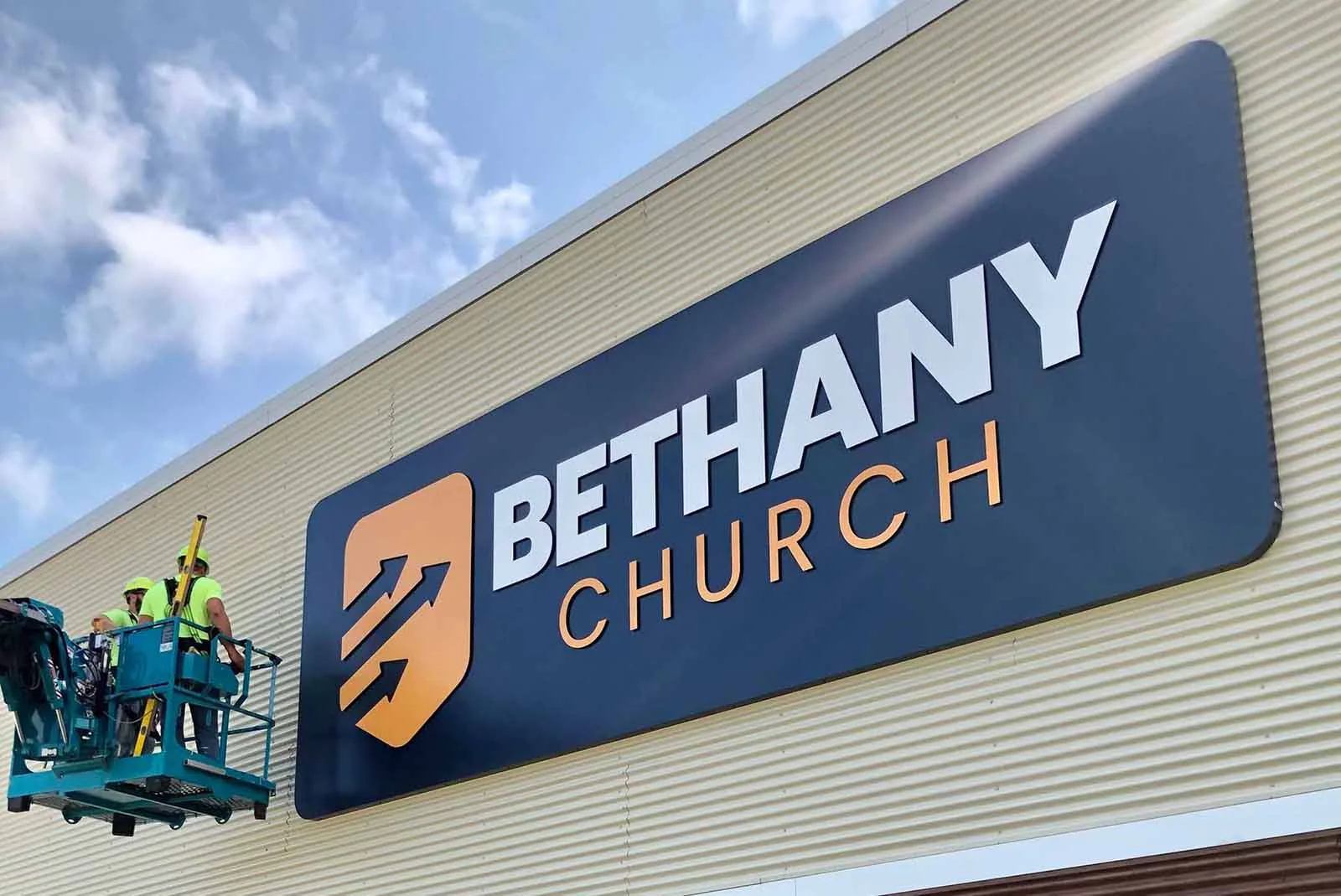
When you invest in custom business signs, you’re investing in visibility, credibility, and a consistent customer experience. Yet the most eye-catching design can fall short without the right execution across project management, permitting, production, installation, and maintenance.
In this guide, we break down every stage that takes a sign from concept to long-term performance, drawing on practical experience from Signimpact, a Milton, ON-based sign installation company serving businesses across Ontario. If you’re looking for a broader context of sign types, design strategy, and branding fundamentals, see the pillar resource: Complete overview: “The Ultimate Guide to Custom Business Signs and Business Signs Services.”
From Vision to Reality: Project Management That Keeps Your Sign Installation on Track
Strong project management is the backbone of successful signage. Whether you’re refreshing a storefront in Milton or rolling out a multisite program across the GTA, a structured process ensures on-time delivery, code compliance, and brand consistency. Here’s how Signimpact typically manages a full-cycle sign project for sign installation:
- Discovery and Scope: We align on objectives like foot traffic capture, brand refresh, wayfinding, or a new location buildout and define budget, timelines, and site requirements.
- Site Survey: Onsite measurements, photos, wall/ground composition checks, electrical access, traffic sightlines, and landlord/condo rules. We document constraints early for plazas or heritage districts.
- Concept Development: Design proofs with scale overlays on actual site photos. We confirm materials (e.g., acrylic, aluminum composite, vinyl), illumination options, and mounting methods.
- Engineering & Specs: Where needed, structural drawings, wind/snow load considerations, and electrical diagrams are prepared to support permits and safe installation.
- Permitting: Permit applications with the relevant municipality (e.g., Milton, Oakville, Mississauga, or Toronto), including drawings, landlord approvals, and administrative coordination.
- Production Planning: Material procurement, color matching, and fabrication sequencing. LED module selection, wiring plans, and finishing details are finalized.
- Fabrication & Printing: Large format printing, CNC routing, vinyl plotting, and assembly. Quality control checks ensure dimensions and finishes match approved proofs.
- Pre-Install Readiness: Hardware staging, access planning (ladders, boom lifts, and bucket trucks), and safety planning (fall arrest, traffic control, and after-hours scheduling when needed).
- Installation & Electrical: Anchoring or ground setting, wiring connection by qualified personnel, ESA inspections as applicable, and final cleanup.
- Inspection & Handover: A walkthrough, maintenance guidance, warranty registration, and documentation for your records.
This step-by-step workflow minimizes surprises, keeps costs predictable, and ensures your custom sign installation performs as expected from day one.
Permits and Compliance in Ontario: What Business Owners Need to Know
Permits can be the most misunderstood part of signage, but they’re critical. Most exterior signs in Ontario require municipal sign permits; illuminated signs also involve electrical compliance. Signimpact routinely handles these steps across Ontario, simplifying the process for busy owners and managers.
1) Municipal Sign Bylaws
Every municipality from Milton and Halton Hills to Mississauga, Oakville, Burlington, Hamilton, and Toronto has its own sign installation bylaw. These bylaws govern size, placement, height, projection, illumination, and the number of signs permitted per frontage. Certain districts (e.g., heritage or scenic corridors) may have stricter rules and aesthetic guidelines.
- Common submissions: Drawings to scale, site plans or surveys, color elevations on building photos, landlord consent, and engineering letters where required.
- Typical timelines: 2 to 6 weeks depending on municipality workload and the sign’s complexity. Plan ahead if you have a fixed opening date.
- Variances: If your ideal sign installation doesn’t conform to the bylaw, a variance application may be possible; expect additional time and fees.
2) Electrical and Safety
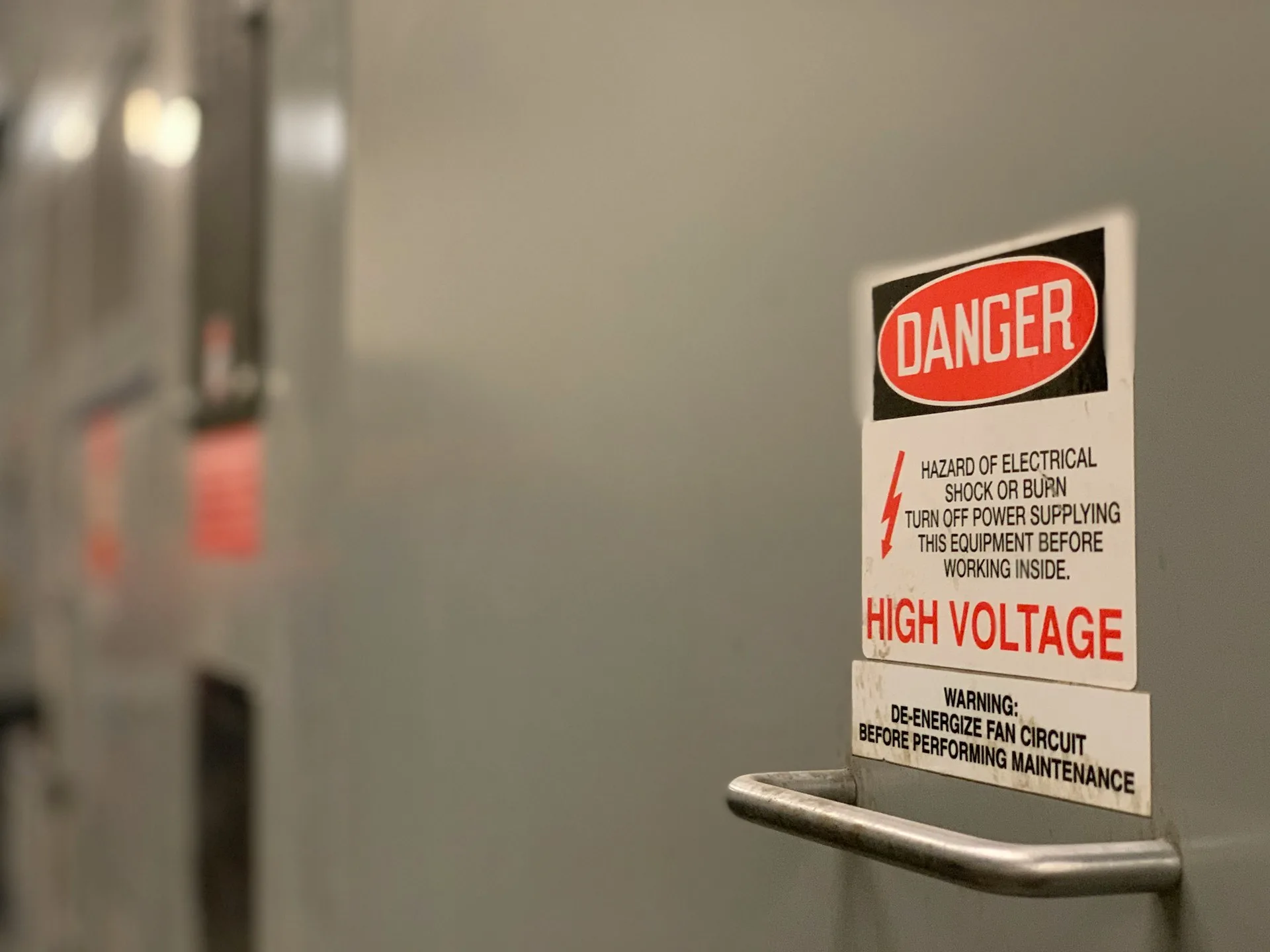
For illuminated signage, the Ontario Electrical Safety Code (OESC) applies. Components should be properly certified (e.g., cUL) and installed by qualified personnel. Depending on the municipality and scope, you may also need inspections or approvals.
- Illuminated signs: LED modules, power supplies, and wiring are planned to code. Proper labeling and access for servicing are part of best practice.
- Install safety: Crews use fall protection and follow Ontario health and safety regulations. Traffic management is planned for roadside or pylon work.
Useful Source:
[1] Sign by-laws in Ontario. (n.d.). City of London, Ontario. Retrieved December 13, 2025, from https://london.ca/by-laws/sign-law-s-5868-183
Printing and Production: Methods, Materials, and Quality Control
Great production transforms design into durable, brand-accurate signage. For both exterior and interior applications, production choices affect color consistency, UV resistance, and longevity. Signimpact uses modern large-format printing and fabrication tools to deliver clean edges, accurate color, and weather-ready finishes.
1) Common Print Methods for Custom Business Signs
| Method | How It Works | Best For | Pros | Considerations
|
|---|---|---|---|---|
| UV Flatbed | UV-cured inks printed directly onto rigid substrates | ACM panels, acrylic, PVC, foamboard | Fast, durable, sharp text/graphics | Gloss levels vary; lamination may be added for abrasion |
| Latex Roll-to-Roll | Water-based inks on flexible media | Window graphics, wall vinyl, vehicle wrap films | Low odor, quick turnaround, vibrant color | Requires proper lamination for high-wear/wraps |
| Eco-Solvent | Solvent inks on vinyl and banner media | Outdoor decals, banners, wayfinding | Strong outdoor durability | Dry/degassing time before lamination |
| Screen Printing | Layered inks pushed through stencils | High-volume single-color runs, decals | Economical at scale, opaque colors | Less flexible for short runs and gradients |
2) Materials That Balance Durability and Budget
- Aluminum Composite (ACM): Lightweight, weather-resistant panels for fascia and monument sign installation faces.
- Acrylic (PMMA): Crisp, glossy faces for channel letters and interior architectural signs.
- PVC/Komacel: Cost-effective interior signs and dimensional letters.
- Vinyl Films: Calendared vs. cast; cast is preferred for vehicle wraps and complex curves.
- Polycarbonate: High-impact faces for illuminated cabinets in harsher conditions.
3) Color Management and Finishing
Consistent brand color is essential for custom business signs, especially across multiple locations. ICC profiles, proofing, and calibrated workflows help ensure accuracy. Protective laminates and clear coats improve abrasion resistance and UV stability; edge sealing and clean cutting reduce premature lifting.
Installation Techniques by Sign Type
Installation is where planning meets the real world; brick, EIFS, curtain wall, concrete, or glass all demand specific methods. Below are common categories Signimpact installs across Ontario, along with key considerations.
1) Storefront Fascia and Channel Letters
- Mounting: Stud-mount, raceway, or wireway systems, chosen to balance aesthetics, serviceability, and building constraints.
- Electrical: LED modules and power supplies are placed for even illumination; penetrations are sealed to prevent water ingress.
- Alignment: Laser leveling and templates ensure consistent letter spacing and baseline alignment.
2) Pylon and Monument Signs
- Foundations: Engineered concrete footings with rebar and anchor cages matched to soil conditions and wind loads.
- Cranes/Lifts: Safe rigging, traffic control, and timing to minimize business disruption.
- Access Panels: Designed for quick servicing of lighting and tenant panels.
3) Window Graphics and Films
- Surface Prep: Thorough cleaning and temperature control; a dust-free environment is crucial.
- Films: Perforated one-way vision, frosted privacy, and solar control films depending on privacy and energy goals.
- Installation Technique: Wet application for large panels; precise trimming at mullions and gaskets.
4) Wall Graphics, Decals, and Interior Wayfinding
- Paint Cure Time: New paint must fully cure before vinyl application to prevent failure.
- Texture: Specialized adhesive films for low VOC paints and textured walls.
- Accessibility: Tactile/Braille signage for accessibility where required.
5) Vehicle Wraps and Fleet Graphics
- Materials: Premium cast films for curves; proper lamination to resist abrasion and UV.
- Surface Prep: Decontamination and panel-by-panel application to avoid lifting at edges and recesses.
- Curing: Post-heating set points to lock in memory for long-term hold.
Across all categories, Signimpact maintains WSIB coverage, insurance, and safety compliance. If installations involve after-hours access or mall fit-out coordination, we integrate with site security and contractor schedules.
Service, Maintenance, and Lifecycle Planning
The most cost-effective way to protect your investment in business sign installation is a maintenance plan. Regular inspections catch small issues like a loose fastener or failing power supply before they become replacements.
1) Recommended Maintenance Intervals
| Task | Frequency | Notes
|
|---|---|---|
| General cleaning (exterior) | Quarterly | Mild detergent, soft cloth; avoid harsh solvents on acrylic |
| LED/power supply check (illuminated) | Every 6–12 months | Look for dim segments, flicker, or moisture ingress |
| Fastener and seal inspection | Annually | Re-seal penetrations; tighten hardware after seasonal cycles |
| Vinyl edge check (graphics/wraps) | Every 6 months | Re-burnish and re-seal edges if lifting appears |
| Surface/structure assessment | Annually | Check for substrate degradation, rust, or wall movement |
2) Service Levels and Warranties
- Response Times: Custom SLAs for outages (e.g., a dark pylon sign) to minimize lost visibility.
- Warranty: Manufacturer warranties on LEDs, films, and laminates; workmanship coverage from Signimpact.
- Upgrade Paths: Converting fluorescent-lit cabinets to LED to reduce energy and maintenance.
Timelines, Costs, and ROI: What to Expect

Timelines vary by scope, permit complexity, and season. Planning early helps you align signage with your launch or rebrand milestones.
1) Typical Timelines
- Permitting: 2 to 6 weeks on average depending on the municipality and complexity.
- Fabrication: 1 to 4 weeks after permit and design approval; specialty materials or complex engineering may add time.
- Installation: 1 to 2 days for most storefronts; multitenant pylons or multisite programs may span several weeks.
2) Key Cost Drivers
- Size and Complexity: Larger faces, 3D letters, and intricate illumination add materials and labor.
- Materials: Premium acrylics, aluminum fabrication, and cast films cost more but often last longer.
- Access: Lift equipment, traffic control, or after-hours work increases installation costs.
- Permits/Engineering: Municipality fees and professional drawings vary by location and sign type.
3) Measuring ROI
Well-executed sign installation boosts brand recognition, wayfinding efficiency, and storefront discovery. To quantify results, monitor:
- Foot traffic and conversions: Compare before/after installation using POS data by time of day.
- Call and web inquiries: Track Google Business Profile impressions and clicks.
- Energy savings: After an LED retrofit, compare utility bills.
Ontario Case Snapshots: Lessons from the Field
- Milton Café Rebrand: Channel letters on a raceway with warm white LEDs replaced a faded fascia sign installation.
- Result: brighter nighttime visibility and a noticeable lift in evening walk-ins.
- Mississauga Warehouse Tenant: New pylon tenant panels and LED retrofit improved legibility from arterial roads while reducing maintenance calls.
- Toronto Office Privacy: Frosted window film with a logo pattern added privacy without blocking light; added wayfinding helped visitors reach the correct floor.
- Hamilton Fleet Update: Cast vinyl wraps with consistent brand colors across vans created a moving billboard effect; increased inbound calls were reported by the client.
How Signimpact Partners with You
Signimpact is a Milton, ON-based sign company serving businesses throughout Ontario. We design, permit, print, install, and maintain indoor and outdoor signage, including storefront signs, channel letters, pylon and monument signs, illuminated cabinets, window graphics, wall decals, window films, and vehicle wraps. Our team manages permits with local authorities, coordinates engineering when needed, and provides installation services across the province for single-location businesses and multisite brands alike.
- Start with a site audit: We assess surfaces, bylaw limits, and visibility lines, then recommend options.
- Transparent quotes: Clear scope, materials, and timelines aligned to your goals and budget.
- End-to-end delivery: From drawings and permit filing to lift scheduling and final inspection.
- Service plans: Keep custom business signs looking sharp and performing reliably year-round.
Have a project in Milton, the GTA, or anywhere in Ontario? Contact Signimpact for a practical, code-compliant plan that fits your timeline.
FAQ: Your Top Questions Answered

Q: How long does the permit process take for exterior signs?
Most Ontario municipalities process sign installation permits in 2 to 6 weeks, depending on complexity and volume. Submitting complete drawings and required approvals helps shorten timelines.
Q: Do illuminated signs require special approval?
Yes. Illuminated signs must meet electrical standards. Components should be properly certified, and qualified personnel should handle connections. Inspections may apply.
Q: What’s the best printing method for storefront graphics?
Latex or eco-solvent with proper lamination performs well outdoors. For rigid panels like ACM, UV flatbed printing delivers crisp, durable results.
Q: How often should exterior signs be serviced?
Plan quarterly cleanings and annual inspections. Illuminated signs benefit from 6–12 monthly electrical checks to catch dimming or moisture early.
Q: Can you help with multi-site rollouts?
Yes. Signimpact manages surveys, design standards, permits, and installations across Ontario to keep brand consistency and timelines on track.
Conclusion: Bring Your Custom Business Signs to Life and Keep Them Performing
From permitting and engineering to printing, installation, and maintenance, every stage shapes the performance of your custom business signs. With a disciplined process and local expertise across Ontario, Signimpact helps you launch signage that’s compliant, on brand, and built to last. See the pillar guide for a comprehensive rundown of sign types, design tactics, and branding considerations: Complete overview: “The Ultimate Guide to Custom Business Signs and Business Signs Services.” Ready to get started? Reach out to Signimpact for an onsite assessment and a clear, code-compliant plan for your next sign installation.