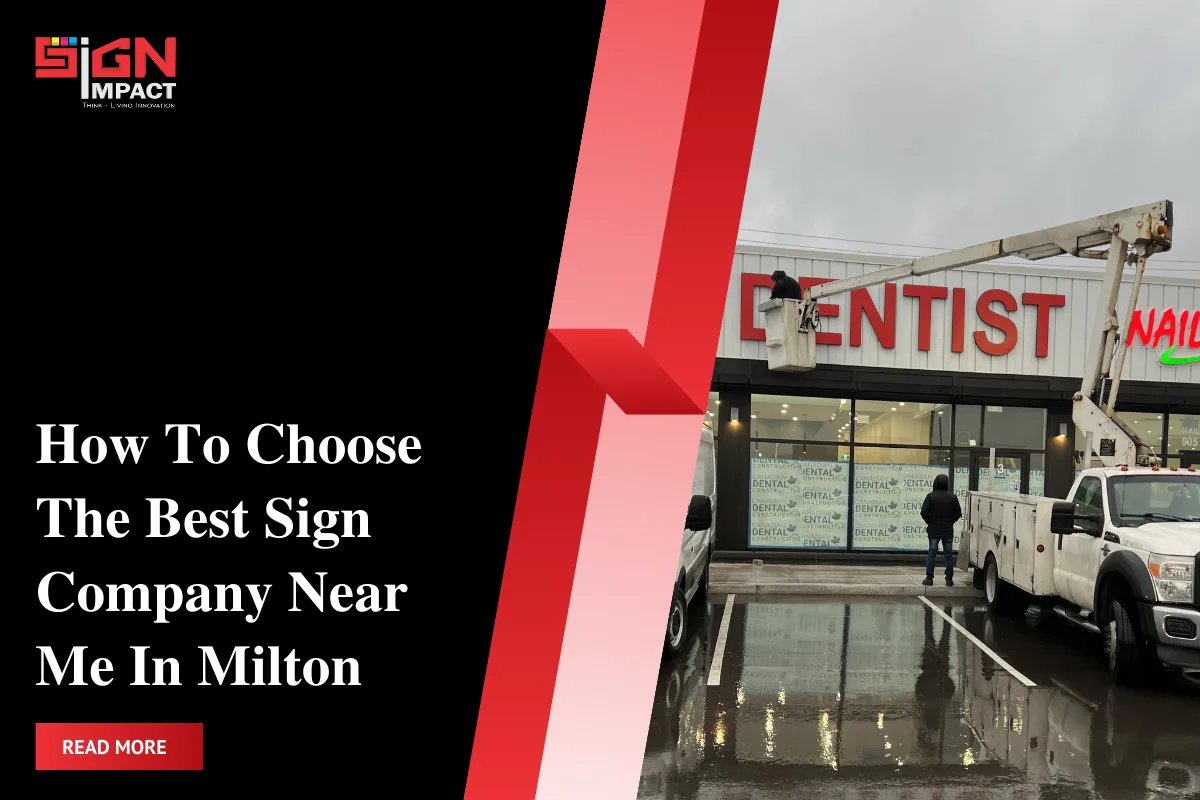
Opening a restaurant or cafe is a high-stakes launch. Your exterior and interior signs influence first impressions long before the first plate leaves the kitchen. A local sign shop understands how your neighborhood, building, and brand affect what works on the street and at the counter. With Sign Impact as a knowledgeable partner, you can align design, permits, and installation with your opening timeline and guest experience from day one.
This cluster guide focuses on practical, location-aware decisions for new restaurants working with a local partner in Hamilton. It complements the broader considerations found in a complete guide to choosing the right sign company. Here, you will find visibility principles, sign type comparisons, permit and landlord pointers, rollout frameworks, and ways to measure impact. The goal is simple: help you make signage choices that attract passersby, set accurate expectations, and convert foot traffic into paying guests.
Quick Summary
Restaurant signage has two jobs: draw attention and clarify your offer quickly. Smart choices start with a street-level survey, then sizing for viewing distance, strong contrast, and lighting for evenings. Exterior storefront signs and blade signs handle discovery; window graphics and menu boards guide the order experience inside. Think durability, maintenance, and service access before installing anything.
Regulatory steps typically include municipal sign permits and landlord approval, especially in multi-tenant plazas and mixed-use buildings. Plan design and fabrication timelines around your opening date, and coordinate electrical requirements early for illuminated options. Launch day is not the finish line: monitor foot traffic, ask customers what caught their eye, and update seasonal graphics to keep energy high without overhauling your brand.
How local context in Hamilton shapes restaurant signage
Every street reads differently. Corner sites may suit projecting signs for multi-directional visibility, while narrow storefronts gain more from high-contrast fascia signs and awnings. Streets with mature trees or frequent on-street parking might limit sightlines, pushing you toward elevated or perpendicular options. Nightlife corridors reward clear nighttime identity and curbside wayfinding that stands out under ambient lighting.
Before choosing materials and lighting, start with a block-by-block walk at key times: weekday lunch, evening rush, and late-night if applicable. Take photos from 50 to 200 feet and note glare, obstructions, and viewing angles from crosswalks. This context will guide brighter finishes, simpler layouts, or a different mounting height. For broader supplier selection and vetting criteria beyond location specifics, see the Complete Guide To Choosing The Right Sign Company For Your Business, which pairs well with this local checklist.
Visibility, legibility, and wayfinding basics for restaurants
Legibility starts with scale. If most discovery happens from across the street, plan for larger letter heights and fewer words. Prioritize your name and core cuisine descriptor over taglines. Clear sans-serif lettering often works best at distance. A bolder weight can improve reading under low light and rain.
Color contrast matters. Dark letters on a light background or the reverse outpace pastel-on-pastel aesthetics. Test your palette in grayscale to confirm contrast holds up in cloudy conditions. Window reflections can overpower low-contrast decals, so consider matte vinyl and interior backers that reduce glare. For door and counter areas, arrows and action words provide quick wayfinding support.
When space is tight, a secondary projecting blade can capture parallel foot traffic where fascia signs are missed. Keep that blade simple and bold to complement the main fascia sign. For menus near entranceways, large headers and section dividers help guests decide quickly. Inside, clearly labeled pickup shelves and order-ahead zones reduce congestion and confusion.
One practical rule: design for the first glance, then enrich at the second glance. Headline outside, details inside. That balance reduces clutter while guiding new guests intuitively toward the host stand or counter.
Understanding sign types for restaurants: options and fit
Choosing the right exterior type depends on sightlines, building conditions, and branding. Each option comes with different visibility profiles, maintenance needs, and permit variables. If illuminated options are part of your brand, coordinate electrical early and review landlord criteria before committing to fabrication. Many restaurants mix a fascia sign for identity with a projecting blade for sidewalk visibility and window graphics for the menu and promos.
| Sign type | Visibility day/night | Typical placement | Permit complexity | Best for | Notes |
|---|---|---|---|---|---|
| channel letters | High day and night with lighting | Fascia, parapet | Moderate to higher | Brand-forward identities | Excellent readability; requires power access |
| Blade/projecting sign | Strong for sidewalk traffic | Perpendicular to facade | Moderate | Narrow storefronts; pedestrian streets | Keep copy minimal; double-sided |
| Fascia panel sign | Good in daylight; add lighting for night | Above storefront | Moderate | Clear identity on standard facades | Versatile materials and finishes |
| Awning with graphics | Shade plus brand exposure | Over entry/windows | Moderate | Sun or rain protection; outdoor seating | Check clearance and projection rules |
| Window graphics | High at close range | Front glass | Lower | Menus, hours, promotions | Use matte vinyl to reduce glare |
| Pylon/monument panel | High for drivers | Plaza entry or roadside | Higher | Plaza tenants; vehicle visibility | Coordinate with plaza management |
Permits, landlord criteria, and plaza coordination
Before you design in detail, ask your landlord or property manager for sign criteria. Many plazas specify sizes, mounting methods, cabinet profiles, and illumination rules. Matching those criteria early avoids redesigns and keeps your opening timeline intact. Tenants in mixed-use buildings often need structural approval for penetrations and power routing.
Most municipalities require sign permits for exterior installations, particularly illuminated options or projecting signs. Expect to submit drawings with dimensions, materials, and mounting details. Lead times vary, so build permitting into your schedule before ordering fabrication. If your site has heritage or conservation considerations, expect additional review steps that may affect materials or size.
If you are seeking guidance across steps, a partner who offers permit assistance can streamline submittals and coordinate clarifications with property management. Keep a clean paper trail and retain stamped drawings for future maintenance or updates.
Exterior signs should telegraph your cuisine and vibe at a glance. A contemporary sans-serif may suggest fast-casual; a crafted script can signal artisanal or bakery concepts. Color palettes can reference cuisine subtly, but legibility always comes first. Think of your storefront as a promise of the experience inside, not just a nameplate.
Inside, hierarchy matters. Primary menu categories and specials deserve bolder type and higher placement; detailed descriptions can live closer to ordering points. Seasonal elements should be easy to swap without disrupting your core identity. When in doubt, prioritize brand consistency so your postcards, website, and uniforms echo the same cues guests see on the street.
For cafes, window decals can announce daily offerings like espresso, pastries, and cold brew, while interior wall decals reinforce community or sourcing values. For restaurants, an understated exterior paired with a bold interior feature wall can shift the reveal to the moment guests step inside.
Illumination and evening-readiness
Many restaurants earn a significant share of visits after dark. Plan for legible nighttime identity without glare. Halo-lit or front-lit letters provide dimension and clarity; edge-lit cabinets and menu lightboxes can guide guests into the right doorway. Consistent scheduling and photosensors help avoid half-lit marquees that undercut your brand on cloudy days.
LED solutions often balance efficiency with brightness control and color rendering. Warmer temperatures can feel more welcoming, while balanced neutrals help food photography on menus. When nearby signage is intense, target strong contrast rather than maximum lumens. Choose finishes that resist dust and weathering so your illuminated signage stays crisp through winter and spring storms.
Plan maintenance access before installation. Removable panels or access points make future service faster and less disruptive, and they reduce ladder time in busy sidewalks or patios.
Window graphics, films, and seasonal updates
Windows are prime real estate for cafes and counter-service restaurants. Use simple vinyl graphics for hours and core offerings near the handle side of the door. Keep promotional messages at eye level and limit the number of competing messages to preserve clarity. For glass-heavy facades, privacy films and anti-glare films can improve comfort while showcasing your brand elements.
Seasonal promos work best when they are easy to apply and remove. Removable vinyl or cling materials allow quick updates for holiday menus, patio openings, or limited-time items without damaging the glass. Treat windows as a dynamic canvas and your fascia sign as the steady anchor. Match finishes so updates look deliberate, not ad hoc.
When choosing materials, consider cleaning routines and condensation in cooler months. Matte or textured finishes show fewer fingerprints around doorways. Strong adhesion and clean removals will keep refreshes simple for staff or installers.
From design to install: timeline and coordination for restaurants
A clear production plan reduces launch risk. Start with a concept package that includes fascia, blade, window, and interior features. Request sketches against site photos to judge readability at real distances. Confirm landlord criteria and electrical pathways before finalizing drawings. Fabrication begins only after approvals, so time these milestones carefully.
Plan your install for off-peak hours to minimize sidewalk or lane interruptions. If your concept includes a menu lightbox or digital elements, coordinate trades so power, data, and mounting hardware are ready before installation day. Weather buffers are smart in winter months. Always document as-built conditions for future service calls.
If you prefer a single point of coordination across design, permits, and installation, consult a local partner experienced in restaurant rollouts. For tailored assistance and a direct conversation about process, connect with a sign shop that can align scope with your opening calendar and brand goals.
7-step framework: launch-ready signage plan
Use this practical framework to organize decisions and keep momentum through opening. It complements the process of choosing the right vendor type and skill set. For deeper criteria on vendor selection, material vetting, and question lists to bring to consultations, review the complete guide on this topic as you move through these steps.
-
Discovery walk and photo survey
Walk your block at lunch, dinner, and night. Photograph sightlines from 50 to 200 feet and note obstructions. Identify how drivers, cyclists, and pedestrians approach. This forms the baseline for scale and lighting choices.
-
Brand expression and message hierarchy
Decide the primary promise (cuisine or specialty) and secondary cues (speed, price point, vibe). Lock the headline for exterior and the secondary messages for windows or menu features.
-
Concept sketches and landlord criteria
Request visual comps on-site photos. Cross-check plaza or building rules for sizes, profiles, and lighting. Adjust early to prevent redesign later.
-
Technical drawings and approvals
Develop dimensioned drawings with materials and mounts. Submit for permits where required and secure landlord sign-offs. Coordinate electrical specs for illuminated options.
-
Fabrication schedule and project timeline
Lock materials and colors. Sequence exterior, window, and interior elements around your opening date. Confirm weather contingencies and install access with neighboring tenants if needed.
-
Installation and safety
Plan lifts or ladders, barricades, and off-peak timing. Test lighting and ensure all hardware is secure. Capture as-built documentation for future maintenance.
-
Post-launch tuning
Gather guest feedback, monitor conversion at entrance points, and adjust window promos seasonally. Schedule cleaning and early service checks for the first season.
Maintenance, weather, and cleaning plans
Outdoor signs work year-round, so plan for temperature swings, freeze-thaw cycles, and wind. Durable finishes and proper fasteners reduce wear. Choose vinyl films rated for local conditions to avoid premature peeling or fading. Build a simple maintenance plan for cleaning and visual checks, especially after storms.
For illuminated elements, schedule periodic inspections of power supplies and lens clarity. Replace dim modules in groups to keep brightness uniform. Inside, clean menu boards and feature walls regularly to maintain brand polish. A little routine upkeep preserves legibility and brand confidence.
Document materials and colors in a simple spec sheet. When it is time to add a new seasonal panel or replace a module, your team can move quickly without guesswork.
Measuring impact: from foot traffic to ticket size
Even the best sign is only as good as the outcome it generates. Track foot traffic before and after installation, and note changes in first-time vs repeat guests. If you run promotions, use unique QR codes or in-store phrases to attribute responses to window messages or menu features. Pair observational notes with numbers.
Track order time and line flow after interior sign updates. Clear wayfinding and menu hierarchy often reduce friction and increase conversion at the counter. Ask guests what caught their attention outside. You can often refine copy or content with small tweaks and outsized results.
Treat signage as an asset you optimize over time, not a one-time set-and-forget purchase. Seasonal refreshes and better lighting controls can stretch the same budget further than a full redesign.
Hamilton-focused examples and site notes
In Hamilton’s varied streetscapes, consider how your specific frontage meets the flow of people. On pedestrian-friendly blocks, projecting blades and readable window graphics help passersby decide quickly. Where on-street parking limits long sightlines, elevated fascia signs and clear door graphics become vital in the final steps to the entrance.
Restaurants near busy intersections benefit from concise fascia identities and strong nighttime presence. Cafes on quieter side streets can lean on welcoming awnings and clear morning hours by the door. For multi-tenant plazas, coordinate early for pylon or monument panels that help drivers find you among other tenants.
When patios are part of the plan, integrate menu signage and subtle boundary graphics so the experience looks cohesive from curb to table. Keep service access in mind for maintenance or seasonal changes, especially where sidewalks narrow.
FAQ: restaurant signage with a local partner

-
What should I prioritize for my first exterior sign?
Lead with a clear, legible name and a simple cuisine descriptor. Favor high contrast and an appropriate letter size for how guests approach your storefront. Keep secondary messages for windows or interior boards.
-
How do I choose between a blade sign and a fascia sign?
Use a fascia sign for identity at a distance and a blade sign to catch sidewalk traffic moving parallel to your facade. Many restaurants benefit from both, each with a distinct role.
-
Do I always need a permit for restaurant signage?
Exterior and illuminated signs often require municipal permits, and projecting signs typically do as well. Confirm requirements with your municipality and landlord before final design and fabrication.
-
What are common mistakes new restaurants make with signage?
Too many words, low contrast, undersized letters, and insufficient nighttime readability are frequent issues. Another is skipping landlord criteria and needing redesigns late in the process.
-
How should I plan for seasonal promotions?
Use removable window graphics or panels designed for easy swaps. Keep core branding stable and treat seasonal elements like chapters that refresh interest without causing visual clutter.
-
What does maintenance involve for illuminated signs?
Periodic cleaning, checks on power supplies, and replacing dim modules as needed. Documenting components and colors makes future service faster and more consistent.
Conclusion
For restaurants and cafes, signage is your silent host: it greets, guides, and reassures. Working with a local sign partner ensures your choices match the street’s reality, not just a design file. Start with visibility and clarity, plan for approvals and installation, and measure real-world response. The result is a storefront that welcomes guests and a dining room that flows.
This resource complements broader advice on how to choose the right sign company, but it stays grounded in the practical steps that turn drawings into results. If you want a thoughtful conversation about aligning signage with your brand, timeline, and neighborhood, Contact Sign Impact for expert assistance. With the right plan and a capable partner, a well-planned sign strategy becomes an ongoing advantage for your launch and beyond.