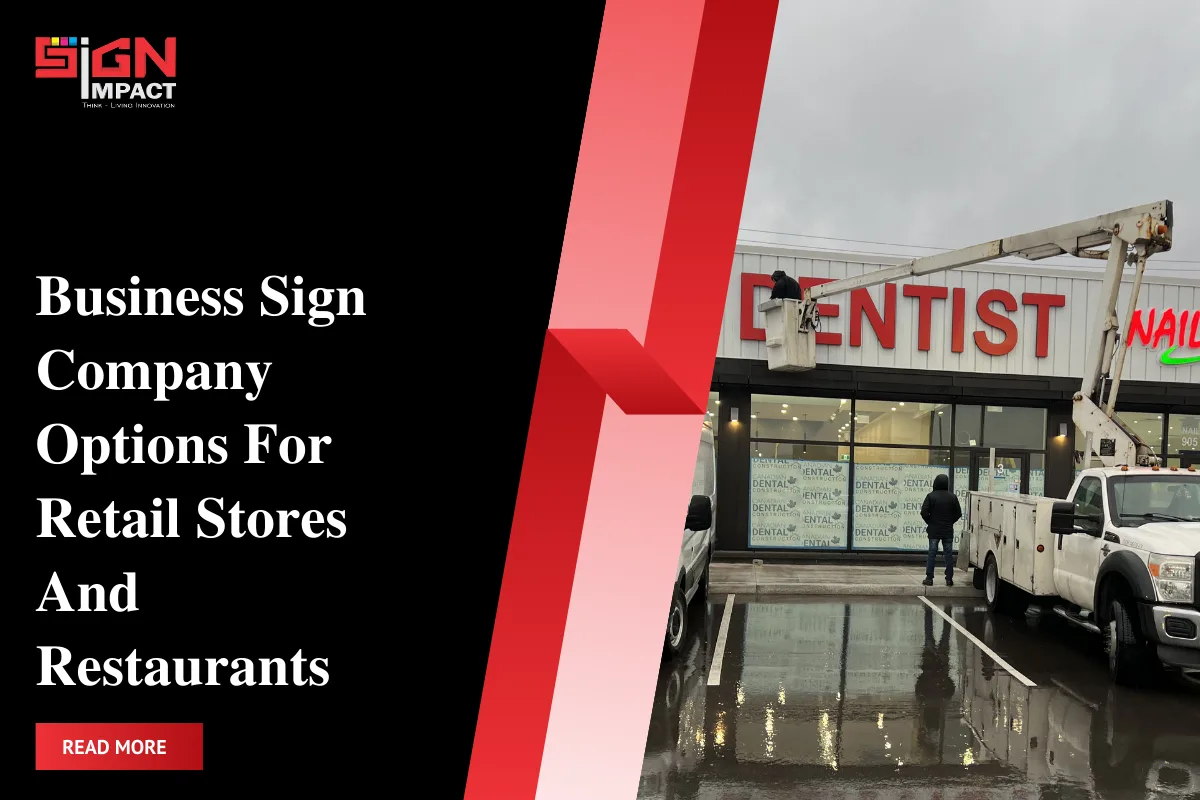
In real estate and property development, visibility is the start of demand. The right messages, placed in the right places, attract tenants, inspire investors, and guide visitors. A trusted sign-making company helps teams move from ideas to effective communication in the built environment, turning blank facades and active construction sites into branded, navigable experiences.
Sign Impact supports project teams across planning, construction, occupancy, and operations. From temporary jobsite graphics to permanent wayfinding, signage bridges marketing and operations while meeting local requirements. In this article, we explain how a company that makes signs collaborates with real estate and property development, construction companies, and property management companies to deliver signage that sells space, reassures stakeholders, and keeps people moving safely.
Quick Summary
Successful developments stand out with clear, consistent, and compliant signage. This guide shows how a business sign company partners with real estate and property development teams to identify key touchpoints, choose sign types, coordinate permits, and manage installation. It also covers design principles that improve readability, project workflows, and how to maintain signs after occupancy.
Use this article as a practical reference alongside your broader vendor evaluation process. The concepts complement a complete guide to choosing the right sign company, helping you plan for different project phases, from pre-leasing hoarding to illuminated identifiers and interior wayfinding.
Why Signs Matter For Real Estate And Property Development
Signs make projects visible before, during, and after construction. They announce what is coming, frame your brand promise on-site, and guide tenants and visitors once the doors open. Effective wayfinding reduces confusion, and clean branding builds trust among prospective tenants and the surrounding community.
Good signs coordinate marketing and operations. Pre-leasing campaigns benefit from prominent site identifiers and window graphics, while building turnover relies on interior directories and parking guidance. For a broader checklist that supports vendor selection and planning, see the Complete Guide To Choosing The Right Sign Company For Your Business.
Where Signs Create Value Across The Project Life Cycle
During pre-construction, barricades and hoarding explain what is coming and why it matters. During construction, safety signs and phasing maps keep crews and visitors aware. As opening nears, pre-leasing signage, window wraps, and site identifiers convert curiosity into inquiries.
Post-occupancy, exterior identifiers, parking, loading, and lobby directories knit the site together. For property management companies, consistent sign standards lower confusion, cut maintenance time, and improve tenant satisfaction. Construction companies benefit when signage packages are specified early, preventing last-minute delays.
Sign Types For Developments And When To Use Them
Different locations and messages call for different formats. A commercial sign company helps map messages to sign types that fit architecture, code, and budget. Below is a practical comparison to start discussions with your team and vendors.
| Sign Type | Best For | Visibility Range | Typical Placement | Notes |
|---|---|---|---|---|
| Pylon Sign | High-traffic corridors, multi-tenant sites | Long | Setbacks near property line | Supports tenant panels, branding, lighting |
| Monument Sign | Entrance identity, campus feel | Medium | Primary entrances | Architectural integration, durable materials |
| Channel Letter Sign | Retail storefront, building identity | Medium to Long | Facade or canopy | Multiple lighting options, brand precision |
| Window Graphics/Film | Privacy, daylight, promotions | Short | Glazing surfaces | Flexible, removable, code-friendly for visibility |
| Construction Hoarding | Pre-leasing, safety, community messaging | Short to Medium | Site perimeter | Temporary, high-impact storytelling |
| Wayfinding and Parking Signs | Navigation and safety | Short | Roadways, garages, lobbies | Standardized hierarchy and arrows |
| Illuminated Cabinet | Multitenant listings, 24/7 visibility | Medium | Walls or freestanding | Easy tenant changes, durable |
| Wall Decals | Interior branding, amenities | Short | Corridors, lobbies | Fast install, design flexibility |
| Vehicle Wraps | Construction fleet, property shuttles | Medium | On the road | Mobile brand impressions |
For exterior identity, channel letters and pylon structures extend brand reach, while illuminated signage supports visibility at dawn, dusk, and night. Inside, window films add privacy and energy control, and wall graphics reinforce the brand story at key touchpoints.
Design Principles That Sell Space And Reassure Stakeholders
Clear hierarchy and contrast improve readability, especially for drivers and pedestrians viewing at a distance. Prioritize legible typography, adequate negative space, and color contrast that holds up in varied lighting. Consistent placement across a site creates predictable experiences.
Scale matters: large surfaces need proportionate letter heights and stroke widths. For multi-tenant properties, set a rational system for panel sizes, naming, and updates to avoid visual clutter. The pillar topic of choosing the right sign company is relevant here because build quality and design execution depend on tools, materials, and in-house expertise.
[IMAGE: Example of a multi-tenant monument sign with clear hierarchy and contrasting colors]
Compliance, Permits, And Practical Timelines
Every municipality sets rules for size, setbacks, lighting, and structural requirements. Early review reduces rework. A seasoned signage company helps assemble drawings and specifications, coordinates engineering when needed, and provides permit assistance with local authorities.
In the Greater Toronto Area, requirements differ between municipalities such as Milton and Toronto. Treat permitting as a project phase, not an afterthought, and align creative aspirations with buildable, approvable solutions. This approach protects opening timelines and avoids last-minute redesigns.
A Practical Framework To Plan Signage For Developments
Use this step-by-step framework to move from ideas to installation while keeping design integrity, cost, and schedule on track. It complements the broader vendor selection considerations found in the complete guide on this topic.
Step 1: Establish objectives. Define success for pre-leasing, opening day, and post-occupancy operations. Name audiences and messages. Step 2: Map touchpoints. Walk the site plan and elevations to mark where messages land. Step 3: Select sign types aligned to each touchpoint, considering power, structure, and weather exposure.
Step 4: Align brand and code. Balance creative direction with municipal guidelines to avoid redesigns. Step 5: Scope fabrication and finishes. Specify materials, lighting, and mounting methods to ensure professional installation. Step 6: Schedule procurement and installation with construction milestones and tenant possession dates. Step 7: Document standards for future updates.
Partnering Insights For Real Estate, Construction, And Property Management Teams
Plan collaboration early. Invite your signage partner to review site drawings, elevations, and base building details. This avoids conflicts with cladding, power runs, and sightlines. A reliable business sign company should communicate clearly on shop drawings, samples, and installation phasing to support project management.
When your team is ready to discuss implementation in detail, consult a professional sign-making company that can outline typical submittals, lead times, and field conditions to verify before installation. Keeping this conversation educational preserves your options and helps you budget correctly for long-term upkeep and tenant changes.
From Temporary To Permanent: Sequencing Signage For Maximum Impact
Think in phases. Start with construction hoarding and site identifiers to build awareness. As pre-leasing ramps up, window graphics, banners, and temporary monument inserts announce the mix and timelines. Closer to opening, permanent identifiers and wayfinding elements should be scheduled to minimize disruption.
For multi-building projects, pilot one area to validate sizes, lighting levels, and mounting. Use that learning to roll out the rest. Property management companies benefit when they inherit a documented sign family and part numbers for efficient maintenance.
Maintaining Brand Quality After Opening
Signs work 24/7, but they do age. Build a plan for cleaning, lamp replacement for legacy systems, and periodic refreshes for high-touch graphics. Allocating a small annual budget for maintenance keeps sites looking new and avoids more expensive overhauls.
When tenants change, keep a standard for panel replacements and patch materials to maintain consistency. A commercial sign company can store art files and color specs for fast turnarounds without color drift.
How A Sign Company Collaborates With Your Team Roles
Real estate and property development teams set brand direction and leasing goals. Construction companies coordinate structure, power, and schedule. Property management companies inherit daily operations and updates. A signage company connects these priorities into one buildable plan, translating brand intent into field-ready details.
Early workshops align stakeholders on priorities, reveal constraints, and prevent surprises. This partnership model guarantees that sign placement and messaging reflect sightlines, accessibility considerations, and tenant mix. Effective coordination reduces friction during turnover.
Local Considerations: Permits And Conditions In The GTA
In Milton, Toronto, and the wider GTA, weather, traffic speed, and pedestrian density vary across corridors. These conditions shape letter heights, lighting choices, and mounting methods. A knowledgeable business sign company considers snow shedding, wind exposure, and visibility when proposing solutions.
Permitting timelines and submission formats differ between municipalities. Plan for review cycles, potential revisions, and inspections. Local experience helps teams prepare accurate submittals and realistic schedules while keeping the creative concept intact.
FAQs

- How early should signage be planned in a development?
Begin as soon as site plans and elevations are taking shape. Early planning aligns structure, power, and brand intent, reducing redesigns and change orders later in the build.
- Which signs are most effective for pre-leasing?
Large-format hoarding, window graphics, and temporary site identifiers are proven for pre-leasing. They communicate the project vision and direct prospects to inquire while construction continues.
- What should we include in a signage package specification?
List sign types, sizes, materials, finishes, lighting, mounting methods, and locations. Include artwork standards and a process for approvals, shop drawings, and on-site verification.
- How do we handle tenant changes on multi-tenant signs?
Standardize panel dimensions and materials so replacements are consistent. Keep brand files and color values on record to prevent mismatched updates.
- Do illuminated signs require special coordination?
Yes. Coordinate power supply, access for maintenance, and light levels appropriate to the streetscape. Confirm compatibility with facade systems and any local lighting guidelines.
- What is the difference between temporary and permanent signage?
Temporary signage supports construction and short-term campaigns, using lighter materials and faster installs. Permanent signage is engineered for durability, code compliance, and long-term brand presentation.
Conclusion
Real estate and property developments succeed when brand, navigation, and compliance come together on-site. A knowledgeable sign-making company helps plan the right mix of temporary and permanent elements, aligns creative direction with municipal requirements, and delivers field-ready solutions that support leasing and operations.
Whether you build, lease, or manage properties, treat signage as core infrastructure. Use the ideas here alongside the pillar topic of evaluating the right partner to shape your plan with clarity. Contact Sign Impact for expert assistance, and keep your teams aligned from concept through installation and maintenance.