Your storefront is the first and most consistent brand touchpoint your customers experience. Choosing the right signage company can be the difference between blending in and becoming the destination on your block. With Sign Impact, you get a partner that understands how design, material selection, fabrication, permits, and installation work together to elevate curb appeal and drive foot traffic. From concept to completion, every detail is relevant for a storefront that is easy to spot, simple to read, and true to your brand. Strategic use of storefront signs, channel letter signs, and illuminated signage turns casual passersby into engaged shoppers and repeat customers.
Whether you manage one location or multiple units, a trusted signs team helps you plan for visibility, compliance, maintenance, and seasonal updates without disrupting daily operations.
Quick Summary
Complete Guide To Choosing The Right Sign Company For Your Business
Storefront visibility relies on an integrated program of outdoor and indoor signs that prioritizes brand clarity, readability, and placement. A professional signs company aligns sign types to your goals, audience, and site conditions, then manages design, permit assistance, fabrication, and installation. For retail stores and shopping malls or commercial plazas, the right mix often includes primary storefront signage, window graphics, and in-store wayfinding that guides discovery and conversion. Durable materials, clean lighting, and consistent typography keep your brand memorable day and night. A thoughtful plan also includes maintenance and seasonal refreshes, plus offsite visibility through vehicle graphics where appropriate. When each touchpoint reinforces the next, your storefront becomes a landmark customers recognize and trust.
Why Storefront Visibility Depends on Smart Signage
Visibility begins with clarity. Effective storefronts balance contrast, letter height, and viewing distance so customers can read your message quickly. A capable business signage company ties these fundamentals to your brand assets for consistency across formats and locations.
The goal is to reduce cognitive load. Clear hierarchy and clean lighting help people process who you are, what you offer, and how to enter. A design-to-installation process led by experienced professionals ensures decisions support these outcomes.
Storefront visibility is not just about size. It is about the right sign in the right place, from fascia signs to window graphics and A-frame complements. The best plans consider traffic flow, surrounding competition, and sightlines from sidewalks and drive lanes.
Outdoor Signage That Works on Busy Streets
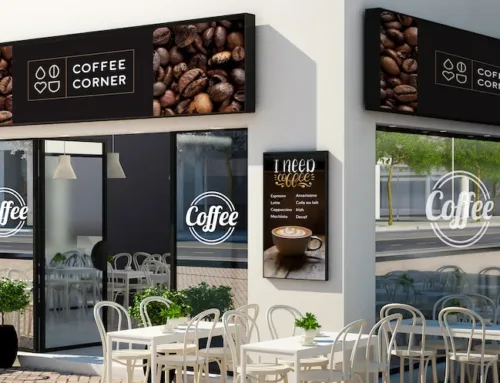
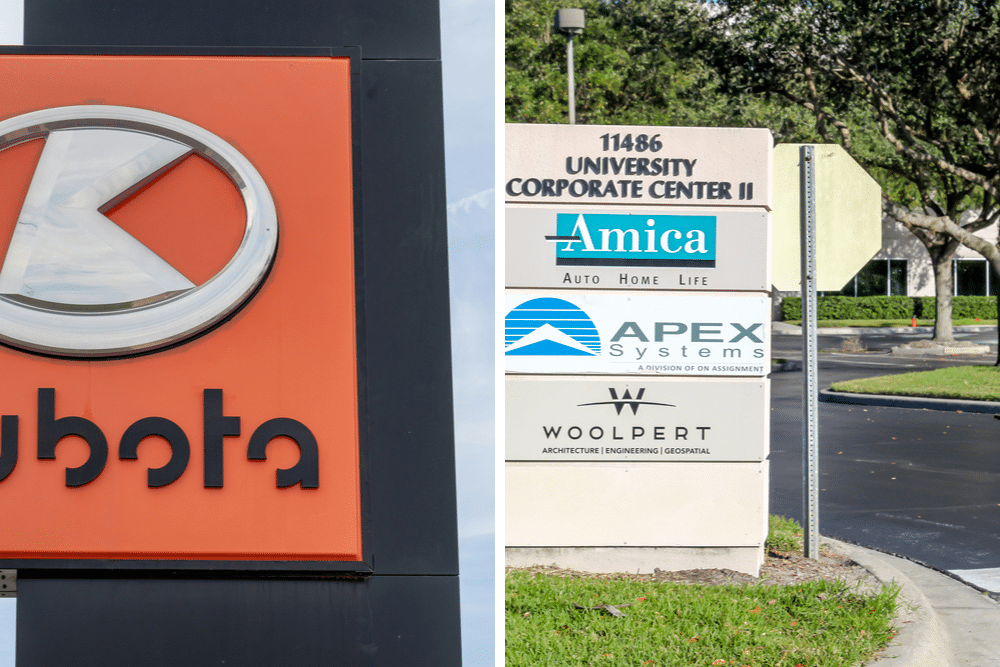
Outdoor signs set first impressions and establish brand presence. Primary options include fascia signs, channel letters, pylon signs, and monument signs. A commercial sign company helps you select formats that balance impact and property rules.
Channel letters and illuminated cabinets excel for long-range recognition, while pylon signs can position your brand above line-of-sight obstacles. Window graphics can add promotional messaging without confusing your primary identity sign.
Material and finish choices influence how your storefront reads in sunlight, shade, and rain. A skilled team optimizes finishes, mounting methods, and lighting to keep messages legible. Focus on readability at a distance before adding secondary details or taglines.
Illuminated and Channel Letter Signs Explained
Illumination extends brand visibility into evening hours and overcast days. Channel letter signs offer dimensionality and flexible lighting options, including front-lit, reverse halo-lit, and combination effects.
Front-lit letters provide bright legibility across long sightlines. Halo-lit letters create a sophisticated aura that pairs well with premium retail positioning. A signs company can recommend LED systems that balance brightness and energy use for your environment.
Consistency is crucial. Matching color temperatures and diffusion prevents hot spots and color shifts. With thoughtful engineering and precision fabrication, your sign remains crisp and inviting, boosting recognition after dark.
Interior and Window Graphics That Convert
Once customers approach, interior signage continues the journey. Window graphics, wall decals, and point-of-sale displays guide attention to offers, categories, and service counters. These touchpoints reduce friction and encourage exploration.
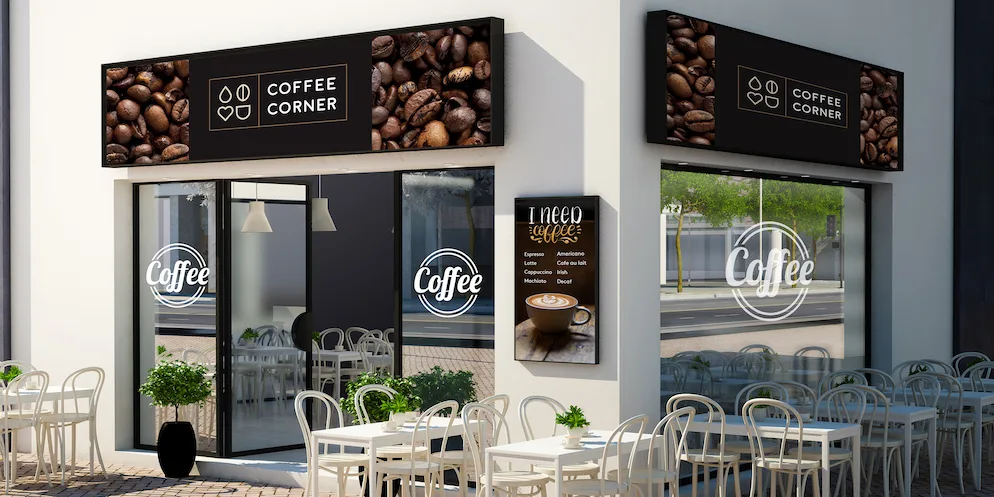
Window films can balance privacy, glare reduction, and branding. Seasonal vinyls keep messages fresh without long lead times. A business signage company coordinates sizes, placements, and finishes so campaigns look intentional, not cluttered.
In-store wayfinding, category markers, and promotional headers should reinforce your exterior identity. Keep typography consistent and avoid mixed visual languages. When your interior reinforces the promise made outside, you build trust and conversion momentum.
Practical Framework: Step-by-Step Storefront Signage Plan
Use this framework to align goals, audiences, and assets. It helps retail stores and shopping malls or commercial plazas build a signage ecosystem that performs today and adapts over time.
1) Define goals and constraints
Identify primary objectives: brand awareness, directional clarity, or promotion. Note property guidelines, structural limits, and electrical access. Clarify budget ranges early for scope planning and value engineering.
2) Profile your audience and traffic patterns
Assess pedestrian vs vehicle traffic, viewing distances, and dwell points. Consider peak hours and lighting conditions. Decisions about letter height, contrast, and illumination follow from these observations.
3) Map the sign family
Outline must-have signs: primary storefront sign, supplemental blade or window sign, door vinyls, and interior wayfinding. Add seasonal or promotional layers that can be updated without reworking core identity assets.
4) Create design system and messaging
Establish typography, color, and layout rules for consistency. Keep copy concise and legible. Determine accessibility considerations pragmatically and apply them uniformly across assets for coherent results.
5) Validate with mockups and sightline checks
Use scaled mockups and on-site tests to confirm visibility from key approaches. Evaluate legibility under day and night conditions. Adjust contrast, spacing, and mounting as needed for optimal readability.
6) Plan approvals and permits
Work with a commercial sign company to prepare drawings and applications that align with property and local authority requirements. This step helps prevent rework and project delays.
7) Fabrication and installation
Ensure specifications are documented and materials are suited to climate and exposure. Schedule installation to minimize disruption. Confirm electrical and mounting safety checks before closeout.
8) Maintenance and refresh cycles
Schedule cleaning, lamp checks, and vinyl updates. Keep spare parts or color references on file for consistent replacements. Track performance against foot traffic or sales indicators to guide future iterations.
For a deeper vendor selection perspective, see for more information, read the main topic, and align those criteria with your in-store plan.
Comparison Table: Matching Sign Types to Objectives
Use this overview to start conversations with your team and your signs partner. It connects common business objectives to sign types that are typically suited to the task. Treat it as a guide, not a rulebook, and refine based on your site conditions and brand standards.
| Objective | Best Sign Types | Key Considerations | Ideal For |
|---|---|---|---|
| Long-range visibility | Channel letters, pylon sign | Letter height, contrast, height above grade | Arterial roads, multi-tenant plazas |
| Nighttime recognition | Front-lit channel letters, illuminated cabinets | Light uniformity, color temperature, dimming | Evening retail, winter months |
| Premium brand feel | Reverse halo channel letters, formed letters | Finish quality, mounting offsets, halo spread | Boutiques, specialty retail |
| Promotional flexibility | Window graphics, changeable inserts | Removability, glare control, messaging hierarchy | Retail sales cycles |
| Directional clarity | Blade signs, door vinyls, interior wayfinding | Height, arrows, contrast, ADA-aligned clarity | Entrances, multi-entrance sites |
A capable signs partner will tailor these choices to your footprint. Discuss sightlines, lighting, property rules, and maintenance to build a reliable, fit-for-purpose solution.
Working With a Professional Signs Company
When you hire a business signage company, you gain project management across discovery, design, permitting, fabrication, and installation. That reduces friction and helps ensure your investment performs as intended.
Look for a partner skilled in outdoor and indoor applications, from pylon signs and channel letters to window graphics and wall decals. Ask about material selection, lighting systems, and mounting details that influence long-term performance.
Equally important is documentation. Maintain drawings, color references, and maintenance schedules for consistency and future updates. A team that builds with serviceability in mind saves time on repairs and refreshes.
Local considerations for Milton, Toronto, and the GTA
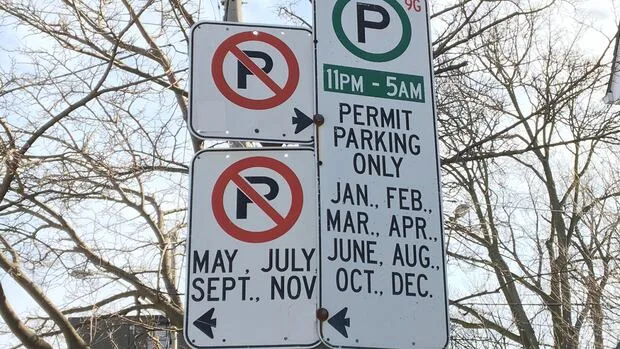
Properties across Milton, Toronto, and the GTA can have different site conditions and property rules. Visibility expectations vary from pedestrian streets to multi-lane arterials and mall approaches.
Working with a local sign shop familiar with landlord standards and municipal processes can simplify approvals. Regional weather patterns also guide material selection and lighting choices for durability and clarity.
If you manage units across multiple GTA neighborhoods, create a standard sign family with adaptable options. This keeps branding consistent while allowing site-specific adjustments that respect local constraints.
How a Sign Shop Integrates With Retail Operations
Storefront projects succeed when operations and signage plans move together. Coordinate installation windows to limit downtime and verify traffic control needs in advance.
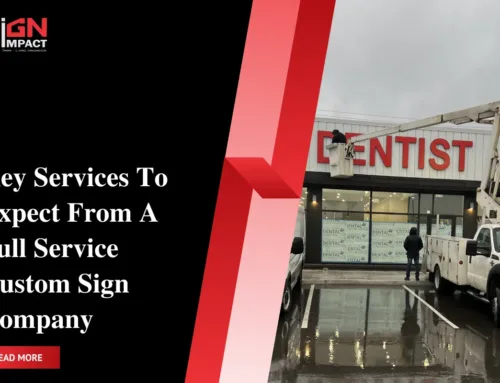
For shopping malls and commercial plazas, installation staging often involves coordination with property management. A reliable signs company will schedule lifts, waste disposal, and access without disrupting neighbors.
Post-install reviews should include lighting checks, alignment verification, and documented handover. Build a list of spare parts and preferred vendors to streamline ongoing maintenance.
Ensuring Brand Consistency Across Multiple Locations
Consistent branding builds recall and trust. Create a sign standards kit that defines letter heights, materials, finishes, and lighting specs. Apply it to fascia signs, window graphics, and interior elements.
For retail stores inside shopping malls or commercial plazas, align storefront design with landlord guidelines while keeping your core elements intact. Where variations are required, propose alternatives that maintain proportions and contrast.
Audit sites annually. Check for color shifts, lighting mismatch, and wear on high-touch areas. Small corrections maintain a polished presence and preserve brand integrity.
FAQs

- Choosing a signs company
Select a partner with proven retail and plaza experience. Review portfolios for similar sites, ask about material choices, and confirm they manage design, permitting, and installation in-house or with trusted teams.
- Permit assistance for storefront signs
Many areas require approvals for exterior signs. Work with a team that prepares drawings and coordinates with property managers and local authorities to align your concept with applicable guidelines.
- Channel letters vs sign cabinets
Channel letters offer dimensional branding and flexible lighting effects. Sign cabinets support long names and consistent lighting. Your choice depends on viewing distance, brand style, and property guidelines.
- Updating window graphics seasonally
Plan a removable vinyl program. Keep a schedule tied to your retail calendar and ensure colors and typography match your identity. Store templates to speed reprints and maintain consistency.
- Maintenance for illuminated signage
Schedule regular cleaning and light checks. Document LED specifications and power supplies for efficient service. Address moisture ingress early to protect components and maintain brightness.
- Working with a commercial sign company in plazas
Multi-tenant sites often have sign criteria. Share landlord requirements early and ask your partner to coordinate drawings and install logistics. Confirm mounting methods that protect facades and align with standards.
Conclusion
Storefront visibility is not accidental. It is the sum of strategic choices guided by a capable signage company that understands brand, site, and audience. When outdoor identity, illumination, and interior graphics work in concert, customers spot you sooner and navigate with confidence. Keep plans practical, maintainable, and consistent across locations for reliable performance.
Program continuity keeps your storefront relevant through seasons and tenant changes. If you are exploring upgrades or launching a new space, a trusted partner can align goals, budgets, and timelines without guesswork. Contact Sign Impact for expert assistance and build a storefront presence that stands out for all the right reasons.
As you evaluate partners, remember that the right signs company brings clarity at every step. With thoughtful planning and execution, your storefront can become a recognizable anchor in your market. A focused approach with design, permitting, fabrication, and installation under one roof helps you move from ideas to results with confidence.